At A Glance
Most damage happens before the van leaves: Scratches, stains and broken glass rarely come from a dropped item. They come from how things were packed, such as newsprint rubbing onto a painted surface, a box base giving way on the stairs, or a heavy carton stacked on top of the glassware. Get the packing right in your own home and the furniture arrives looking exactly as it left.
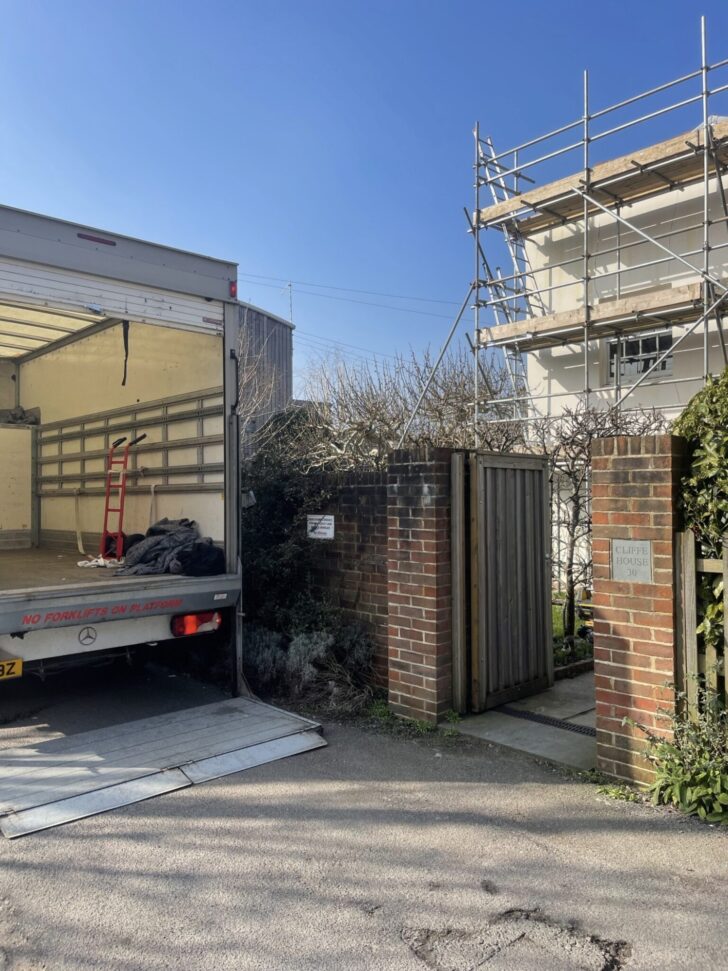
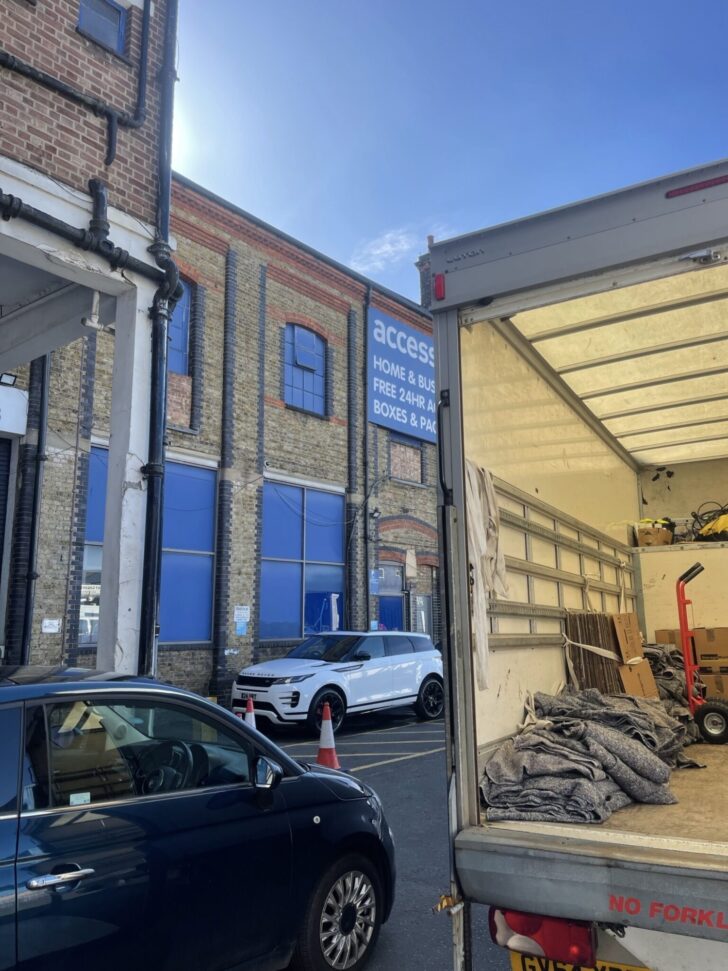
Plan access before you pack: Send us a photo of your frontage so we can find the closest legal stopping point. Flag parking early, as Brighton and Hove bay suspensions need 7 full working days notice. Tight stairs in conversions, period terraces and seafront flats mean lighter boxes and more corner protection. Measure the tightest doorway or stair turn so any dismantle is planned in advance, and we will match the Sprinter or Luton to the load.
At ESV, packing is part of the plan: We bring unprinted paper, bubble wrap and blankets to every job, offer full or part packing, and you deal directly with Peter from first message to last box. Every move is covered by £40,000 Goods in Transit per vehicle and £5 million Public Liability insurance. Call 07552 555 820, visit www.eastsussexvan.com or follow @esvremovals on Instagram.
1. Using Newspaper To Wrap Furniture
Old newspaper feels like the obvious free packing material, but it is one of the worst things to wrap furniture and household items in. Newsprint ink is not fixed in place, and once it is pressed against a surface, especially under the weight and warmth of a packed box, it transfers easily. The result is grey smudges and print marks on wood, leather, painted finishes, light fabrics and white crockery that often will not wash off.
The British Association of Removers makes the same point in its packing guidance, noting that newspaper can leave print on glassware and recommending proper materials instead, a combination of specialist boxes, bubble wrap, packing paper and packing peanuts depending on the item. We apply that rule to everything, not just glass, because the same ink transfer that marks a wine glass will mark a painted table leg or a cream sofa arm.
Better option: Use clean, ink-free packing paper for crockery and ornaments, bubble wrap for fragile and high-value pieces, and moving blankets for larger furniture. These give you real cushioning as well as a clean, non-staining surface. If you would rather not buy materials in, our removals packing service in Brighton arrives with everything ready and can wrap the breakables for you the day before.
Local Pro Tip: Buy Once, Reuse, Recycle
You do not need a cupboard full of new materials. We carry proper ink-free paper, bubble wrap and blankets on every job, and as part of our eco pledge we reuse and recycle clean boxes with a take-back option. Ask us what you actually need before buying a pallet of bubble wrap you will only use once.
2. Overloading Boxes
A box that is too heavy is a problem in three ways: it is hard to carry safely, the base can split open mid-lift, and the sheer weight can crush the items packed underneath. It is a classic mistake with books, tools, crockery and tinned food, where a standard box fills up long before it gets too heavy to safely move.
The Health and Safety Executive's lifting and lowering risk filter gives guideline values of 25 kg for men and 16 kg for women at knuckle height with the load held close to the body, dropping to 20 kg and 13 kg at elbow height. Those figures are guidelines, not safe limits, and the HSE is clear on why:
"The Manual Handling Regulations do not set specific weight limits."
Source: Health and Safety Executive, Manual handling at work, INDG143
Knuckle height is where your hands hang naturally at your sides, and those figures assume an easy grip, a stable stance and reasonable conditions. On moving day you are usually twisting through doorways, going down stairs or reaching into a van, none of which the guidelines cover, so the safe weight in practice is lower. A good rule of thumb is to keep boxes to a weight you can lift comfortably and carry one-handed down a flight of stairs without straining.
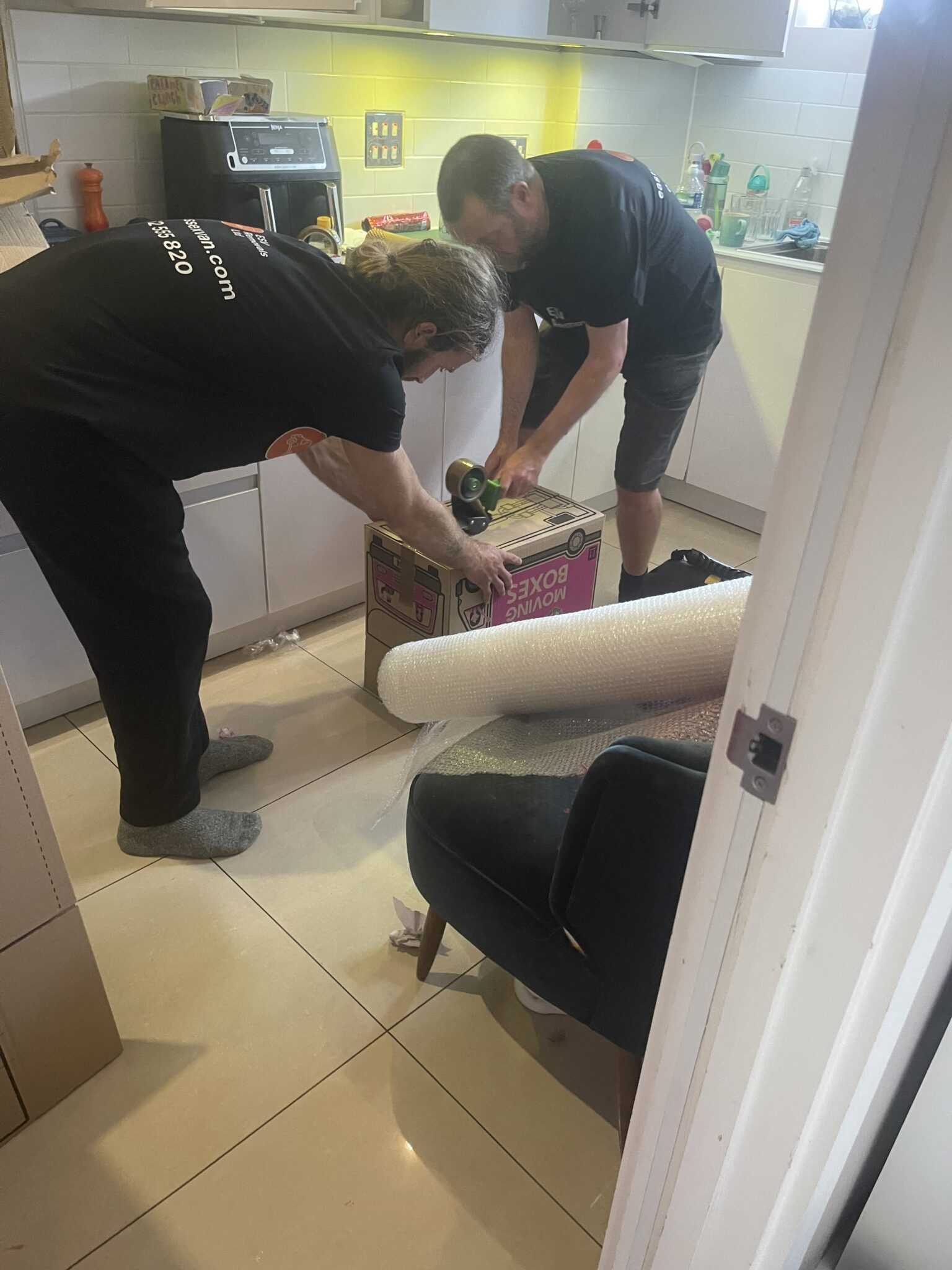
Better option: Put heavy items such as books, records and tools into small boxes, and use larger boxes only for light, bulky things like bedding, cushions and lampshades. Heavy at the bottom, light on top, and never fill a big box with books, or it will come through the base on the first carry. The British Association of Removers gives the same advice, pointing movers towards designated book boxes and warning that a standard box filled with books will be too heavy to carry any distance.
Local Pro Tip: Brighton Stairs Change the Maths
In Brighton and Hove conversions, period terraces and seafront flats, a lot of the move happens on tight, turning staircases. A box that is fine to lift in the kitchen can be genuinely unsafe halfway up a Hanover stairwell or a Kemptown basement flight. When in doubt, pack lighter and use one more box, your back and your banisters will thank you.
3. Skipping Furniture Protection
Furniture rarely gets damaged because it is dropped. It gets damaged because a sharp corner clips a doorframe, a sofa arm scrapes a wall on a stair turn, or two unprotected pieces rub together in the van. Wooden legs, glass tops, polished surfaces and upholstered corners are all vulnerable, and a single deep scratch can knock real value off a good piece. Antiques and heirlooms are the extreme case, which is why our antique furniture removals add extra padding and a planned position in the load.
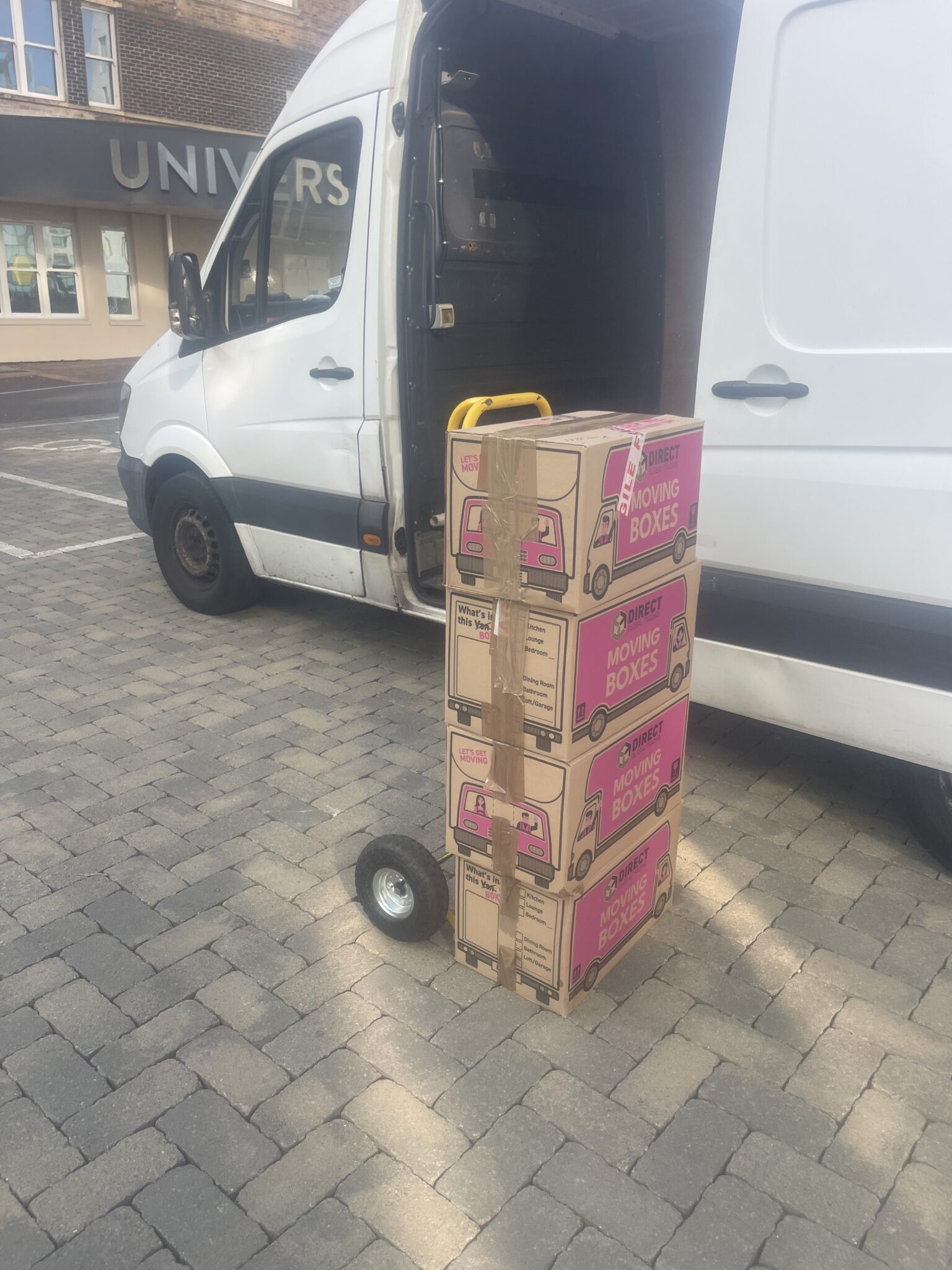
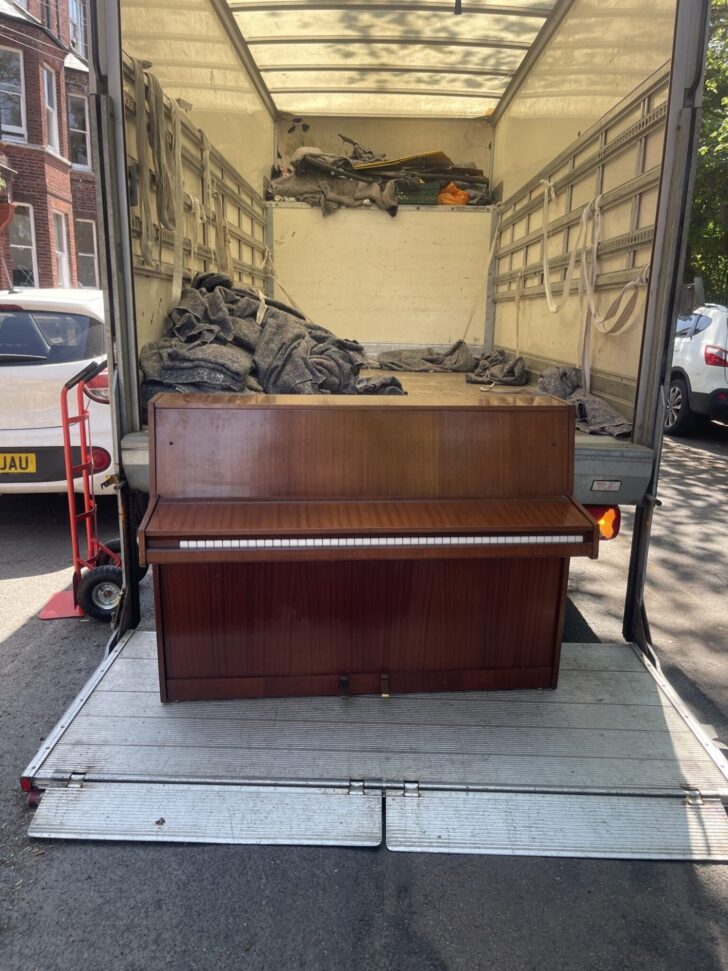
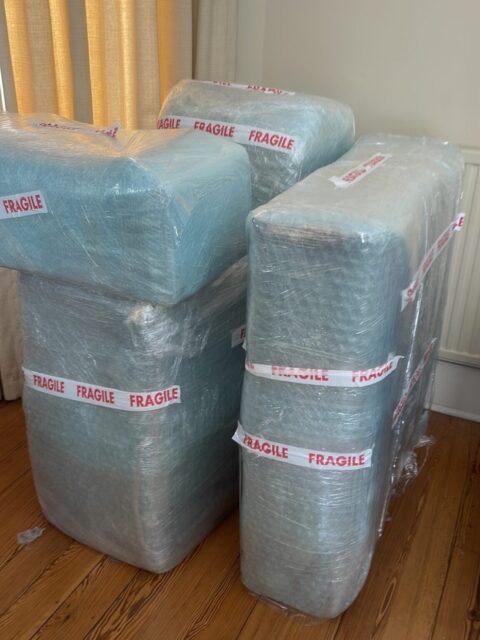
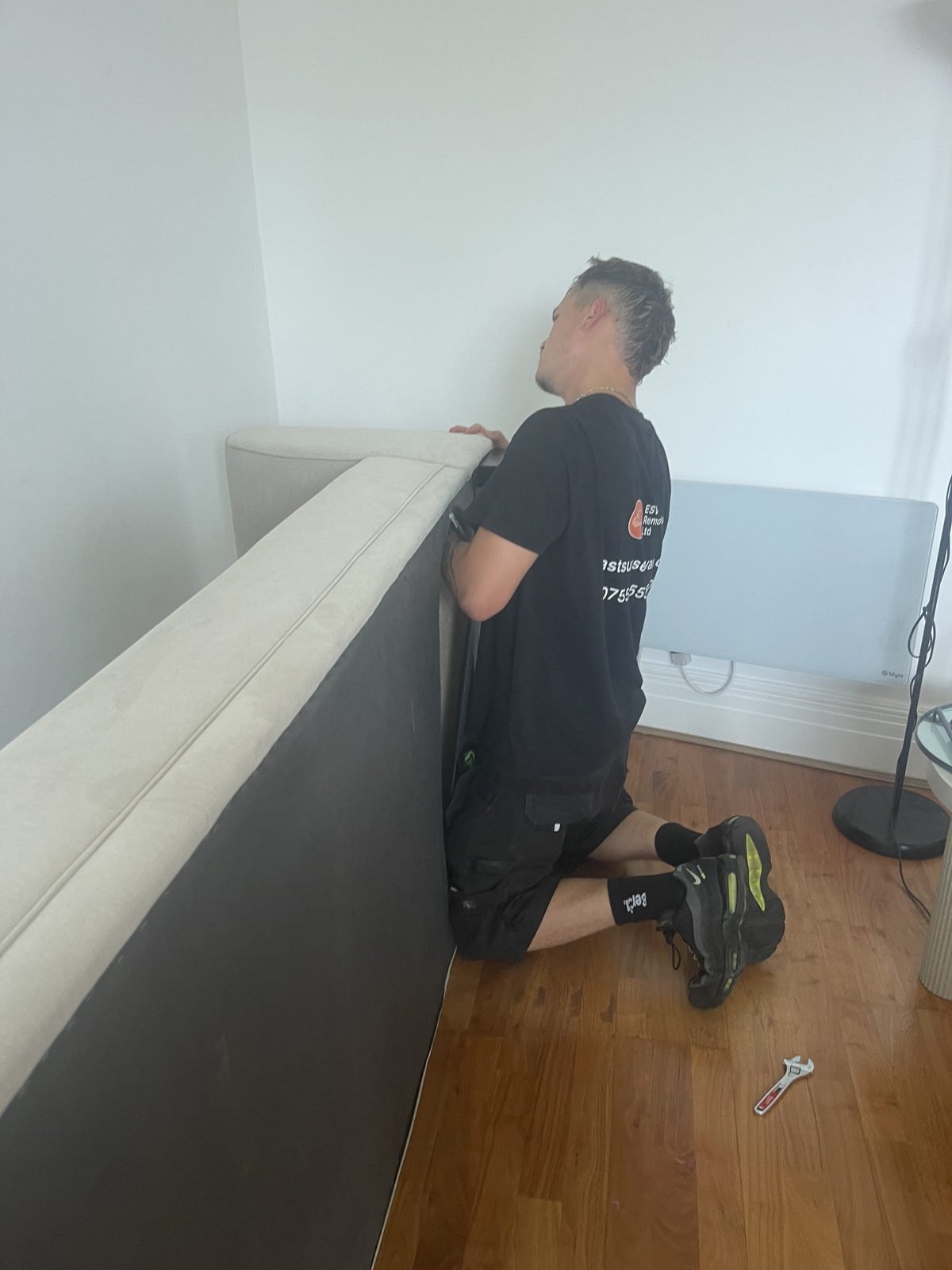
Better option: Protect furniture before it leaves the room, not at the front door. Wrap polished and painted surfaces in moving blankets, use foam sheets or corner protectors on vulnerable edges, and finish with stretch film to hold padding in place without leaving residue on the surface itself. Glass tops should be removed where possible and carried separately. This is exactly the kind of careful handling we build into every house and room move, and into every single item job our local furniture movers in Brighton take on. It is fully backed by our £40,000 Goods in Transit per vehicle and £5 million Public Liability insurance.
Local Pro Tip: Measure the Doorway, Not Just the Sofa
Before moving day, check whether large items will actually fit through the tightest point on the route, usually a doorway, a stair turn or a landing. If they will not, it is far better to plan a dismantle and reassemble than to force a piece through and gouge both the furniture and the wall. Send us a photo of the access and we will tell you in advance.
4. Leaving Drawers Full
It is tempting to leave chests of drawers, desks and bedside cabinets packed as they are to save time. The problem is that full drawers add a lot of weight to an already-awkward item, they can slide open and trap fingers on the carry, and the shifting contents make the whole piece unstable and harder to control on stairs.
Better option: Empty the drawers before moving day, especially if they hold books, cables, tools, paperwork or anything heavy. Pack those contents into properly weighted boxes (see mistake two), and the furniture becomes lighter, more stable and far safer to handle. Lightweight clothing or soft items can sometimes stay put for a short local move, but check with us first, as it depends on the piece and the access.
Local Pro Tip: Bag and Tape the Fixings
If a wardrobe, bed or unit is being dismantled, put the screws, bolts and fittings into a zip-lock bag and tape it to the item itself. Write what it belongs to. It is the single biggest time-saver at the other end and the easiest way to avoid a "where did that bracket go" moment when you are trying to rebuild the bed at 8pm.
5. Not Labelling Fragile Items
A sealed box gives no clue about what is inside. An unlabelled box of glassware looks exactly like a box of saucepans, which is how fragile items end up at the bottom of a stack with something heavy on top. Clear labelling is the cheapest insurance you can give your breakables, and it makes unpacking far quicker too.
The British Association of Removers recommends a label on the top and at least one side of every box, showing the destination room and a short description of the contents, with anything fragile marked so the crew can see it easily. It also suggests keeping a separate inventory, on the basis that you will not remember what is in every box even when they are all labelled.
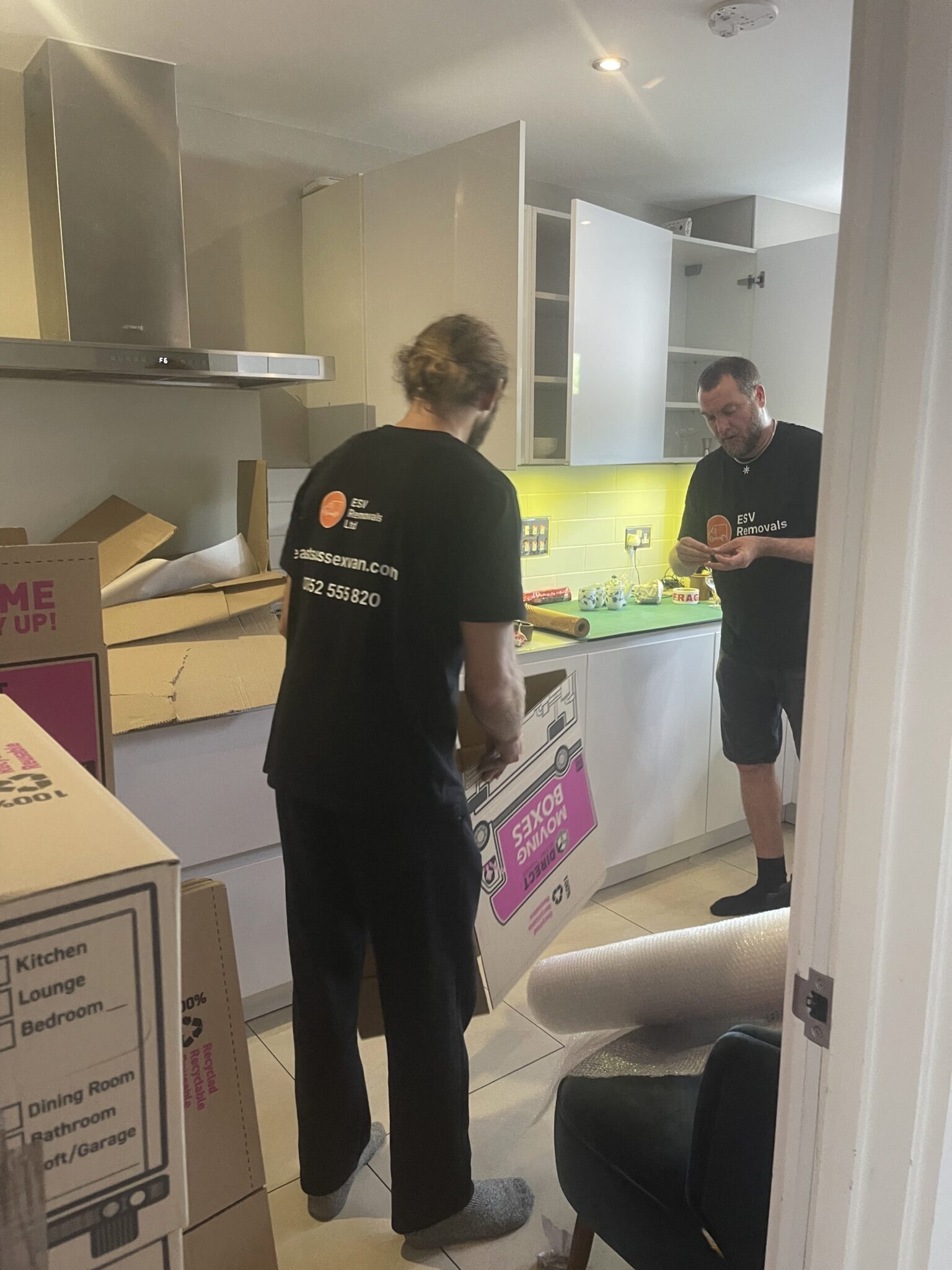
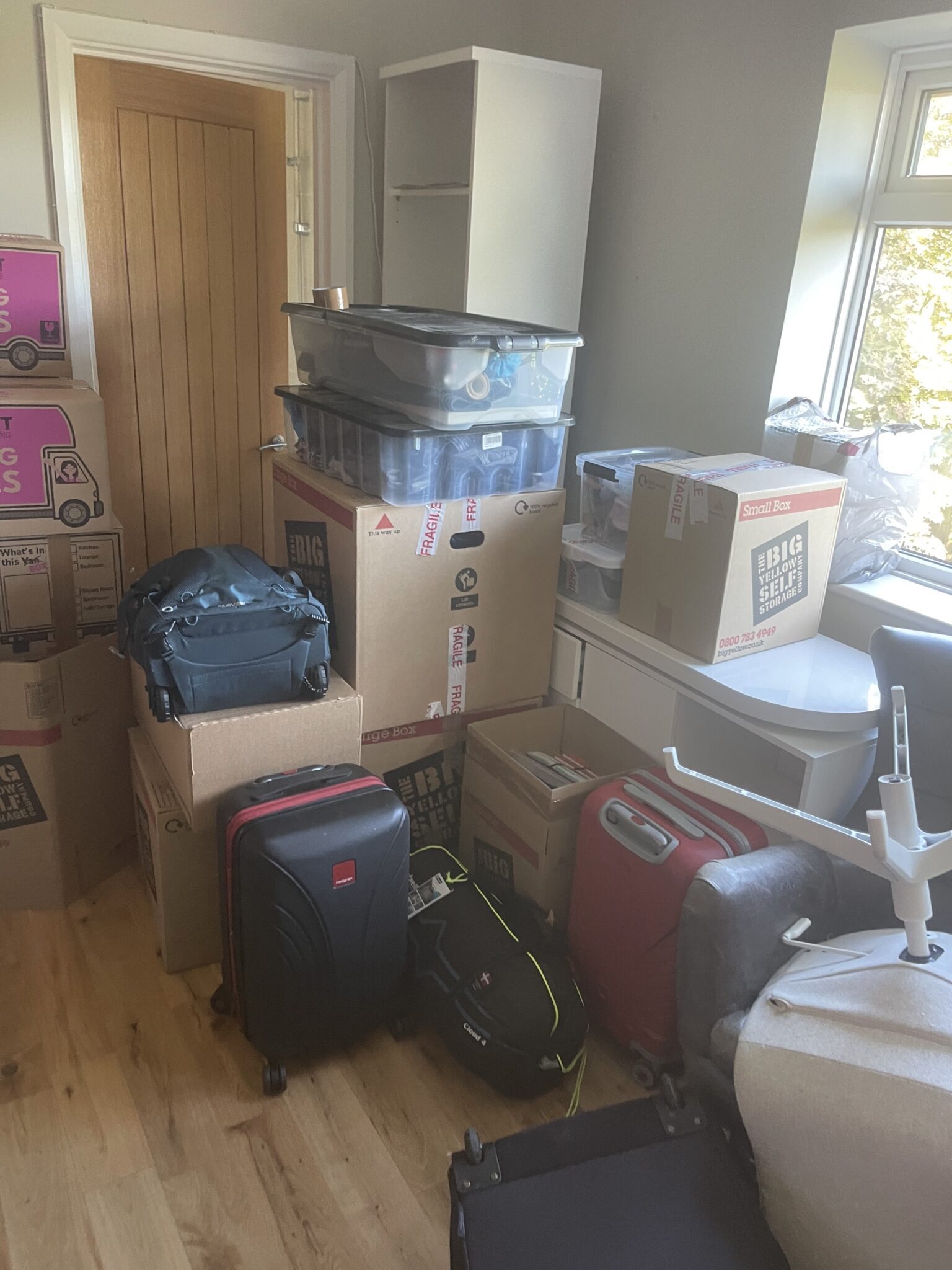
Better option: Write "FRAGILE" and the destination room on the top and at least one side of every breakable box, ideally with a bold marker or coloured label so it stands out across a busy room. Add "This Way Up" where it matters, and keep a simple inventory alongside the labels, because you will not remember what is in every box even when they are marked. When boxes are labelled properly, our crew can load and stack them correctly the first time, with fragile boxes kept off the bottom and out from under the heavy ones.
Local Pro Tip: Pack a First-Night Box
Label one box (or two) as "Open First" and keep it with you rather than in the van. Kettle, mugs, chargers, medication, a towel, bedding and the tools to rebuild a bed turn a chaotic arrival into a calm first evening, especially if unloading runs late or you are moving into a flat after dark.
Quick Summary: Five Packing Mistakes And Their Fixes
Using newspaper to wrap furniture: The ink transfers onto wood, fabric, leather and painted surfaces, and the marks often will not wash off. Use clean ink-free packing paper, bubble wrap or moving blankets instead.
Overloading boxes: Heavy boxes split, collapse and crush what is inside. Keep every box to a weight you can lift comfortably and spread heavy items across several smaller boxes.
Skipping furniture protection: Bare furniture gets scratched and dented in doorways, stairwells and the van. Wrap it in blankets, foam and stretch film before it leaves the room.
Leaving drawers full: Full drawers add weight, slide open on the carry and make furniture unstable. Empty them, especially of books, tools, cables and anything heavy.
Not labelling fragile items: Unlabelled fragile boxes end up stacked under heavy ones. Mark them clearly on the top and at least one side, with the destination room.
How Good Packing Saves You Time, Money And Stress
Avoiding these five mistakes does more than protect your furniture. Well-packed, properly labelled boxes load faster, stack more safely and unpack more easily, which keeps the whole day calmer and often keeps the cost down too. If you are not sure where to start, it is always worth asking your removals team before you commit to a plan, the right advice early is much cheaper than a repair later.
There is one more reason to think carefully about who packs what. The British Association of Removers points out that, under most removal company insurances, the mover's liability stops at what it packed:
"They can only accept liability for damage to those items packed by them."
Source: British Association of Removers, Top Ten Packing Tips
That is not a reason to hand everything over, but it is worth knowing when you decide which boxes you will do and which you would rather leave to us.
How Much Does A Packing Service Cost In Brighton?
A full packing service costs most UK households between £200 and £950, and Brighton usually runs above the national average because access takes longer here. Packing is priced on volume and fragility rather than a flat fee: the UK average is around £387, depending on the number of rooms and how much delicate glass, china and artwork is involved, and a three-bedroom house typically sits in the £400 to £500 bracket. Where packing is charged by the hour, Checkatrade's 2026 cost guide puts the typical rate at around £50 per hour per packer and suggests budgeting roughly £200 for a four-hour job, noting that materials such as bubble wrap are not always included in that rate.
Part packing is the option most people forget when they price a packing service in Brighton. Having us wrap only the kitchen, the glassware and the high-value pieces costs a fraction of a full service and removes most of the risk, because those are the items that actually get damaged. Our removals start from £80 per hour, and when we pack as well we quote the whole job as one clear price rather than bolting an unpredictable extra onto the day.
The reason Brighton and the South East run above those national figures is access. A third-floor conversion with a permit street outside genuinely takes more time than a house with a driveway, and any honest quote reflects that. Send us your inventory and we will tell you what the packing element costs before you commit to anything.
Packing Across The Wider Sussex Patch
We cover BN1 to BN3 as the home base for our removals in Brighton and Hove, with the same packing standard across the wider BN, RH, TN and PO postcode families. That takes in Haywards Heath, Uckfield, Lewes, Hove and Chichester as standard ground, and we handle long distance work across the UK including Scotland. The same ink-free paper, bubble wrap and moving blankets go on the van whether it is a one-bedroom flat or a full house heading to another county.
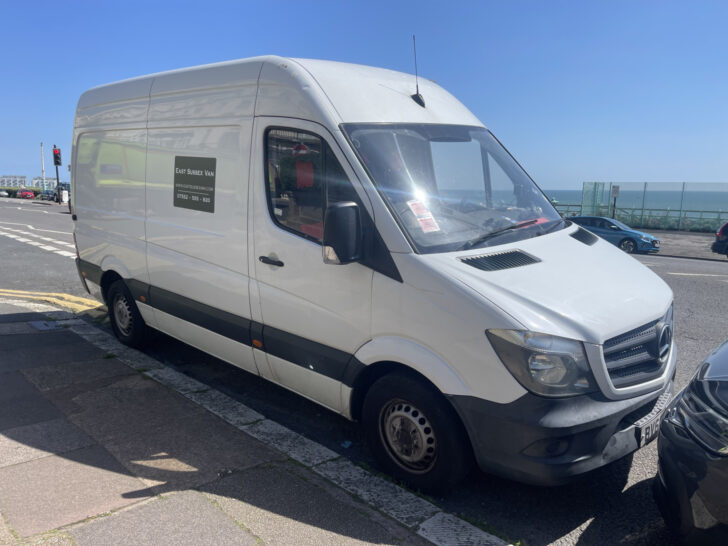
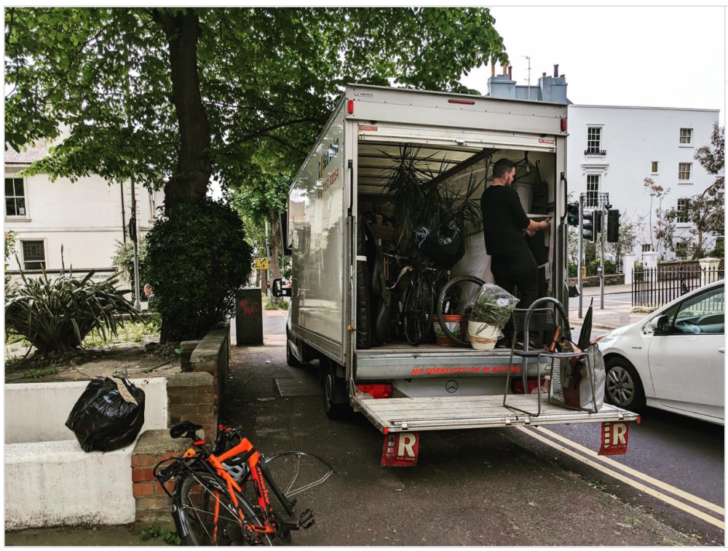
Van choice follows the packing rather than the other way round. For tighter streets and smaller loads we use the Mercedes Sprinter, the van behind our man and van for furniture removals, which slips into awkward Brighton stopping points and keeps the carry short. For a fuller house of properly boxed and blanket-wrapped furniture the Luton moves far more in one load, which means less repeated handling on stairs and fewer chances for damage. Tell us what is moving and we will pick the right one.
If you would rather hand the whole thing over, we offer a full packing service in Sussex, and we can combine it with furniture dismantling and reassembly and furniture storage in Brighton if your dates do not line up. For more on keeping the day smooth, see our guide on how to avoid a stressful house move.
Get Help With Packing Or Moving In Brighton And Sussex
With ESV you deal directly with Peter from the first message to the last box, so the person quoting your move is the one planning and handling it. That owner-run approach is why the advice in this guide is exactly what happens on our jobs: clean materials instead of newspaper, sensible box weights, furniture wrapped before it leaves the room, drawers emptied, and fragile boxes clearly labelled and stacked correctly. It is careful, calm and planned, and it is the reason we hold hundreds of five star Google reviews across Brighton and Sussex.
Call Peter on 07552 555 820, message us on WhatsApp with a few photos, or request a clear, no-obligation quote online. To see how we wrap, box and load on real jobs, follow our Brighton packing and move days on Instagram.
Key Terms
Ink-Free Packing Paper
Ink-free packing paper is clean, unprinted paper used to wrap crockery, glassware and ornaments. Unlike newspaper it leaves no print marks on wood, leather, painted finishes or light fabrics, which is why it is the standard first layer on every fragile item we pack.
Moving Blanket
A moving blanket is a thick padded cover wrapped around larger furniture before it leaves the room. It absorbs the knocks that happen in doorways, on stair turns and in the van, and protects polished and painted surfaces from rubbing against other items in transit.
Stretch Film
Stretch film is a clingy plastic wrap used to hold padding in place around furniture without tape touching the surface. It secures blankets and foam, keeps drawers and doors closed on the carry, and leaves no residue on the finish underneath.
Corner Protector
A corner protector is a foam or card guard fitted over the vulnerable edges of furniture, mirrors and artwork. Corners take the impact when a piece clips a doorframe, so protecting them is usually the difference between a clean move and a deep scratch.
Safe Box Weight
A safe box weight is one you can lift comfortably and carry one-handed down a flight of stairs without straining. The HSE lifting and lowering risk filter gives guideline values of 25 kg for men and 16 kg for women at knuckle height close to the body, dropping to 20 kg and 13 kg at elbow height, but these are guidelines rather than legal limits and the practical limit on stairs and through doorways is lower.
Part Packing
Part packing is where the crew packs only the highest-risk items, usually the kitchen, glassware, china and anything of real value, while you handle the clothes, books and soft furnishings. It costs far less than a full service and removes most of the damage risk.
Fragile Labelling
Fragile labelling means marking "FRAGILE" and the destination room on the top and at least one side of a breakable box. It tells the crew where the box belongs in the stack and in the new home, so breakables stay off the bottom and out from under heavy loads.
Dismantle And Reassembly
Dismantle and reassembly means taking furniture apart for safe transport and rebuilding it on arrival, with the fixings bagged and taped to each piece. It is the right call whenever an item will not clear the tightest point on the route, and it protects both the furniture and the property.
Open First Box
An open first box, sometimes called a first-night box, holds the essentials you need before the unpacking starts: kettle, mugs, chargers, medication, a towel, bedding and basic tools. It travels with you in the car rather than in the van so it is to hand the moment you arrive.
Goods in Transit Insurance
Goods in Transit insurance covers your belongings while they are in our care and on the road. Every ESV booking carries £40,000 of cover as standard, alongside £5 million Public Liability, and it sits behind the packing rather than in place of it.
High-Value Item Declaration
A high-value item declaration is a note of any single item worth £500 or more, given before packing starts. Declaring antiques, artwork, glass-topped tables and delicate electronics early means the right materials, the right handling and the right position in the load are planned rather than improvised.
Frequently Asked Questions
Why should I not use newspaper to wrap furniture and crockery?
Newspaper ink is not fixed in place, so it transfers onto whatever it touches and leaves marks that often will not wash out.
Under the weight and warmth of a packed box that transfer gets worse, printing grey smudges onto wood, leather, painted finishes, light fabrics and white crockery. The British Association of Removers makes the same point about glassware in its packing guidance, and the same ink that marks a wine glass will mark a painted table leg. We use clean, ink-free packing paper for crockery and ornaments, bubble wrap for fragile and high-value pieces, and moving blankets for larger furniture, all of which cushion properly without staining.
How heavy should a moving box be?
Keep each box to a weight you can lift comfortably and carry one-handed down a flight of stairs without straining.
The HSE lifting and lowering risk filter gives guideline values of 25 kg for men and 16 kg for women at knuckle height with the load held close to the body, dropping to 20 kg and 13 kg at elbow height. The HSE is explicit that the Manual Handling Regulations set no specific weight limits, so these are not safe limits, and they assume a good grip and a stable stance rather than the twisting, stair-climbing and van-loading of a real move.
Put heavy items like books, records and tools into small boxes and save large boxes for light, bulky things such as bedding and cushions. In Brighton conversions and seafront flats with tight turning stairs, pack lighter still and use one more box.
What is the best way to protect furniture during a move?
Protect each piece before it leaves the room, not at the front door, because most damage comes from corners clipping frames and surfaces rubbing in the van rather than from drops.
We wrap polished and painted surfaces in moving blankets, add foam sheets or corner protectors to vulnerable edges, and finish with stretch film to hold the padding in place without leaving residue. Glass tops come off and travel separately wherever possible. We also check that large items clear the tightest point on the route, usually a doorway, a stair turn or a landing, and plan a dismantle and reassemble rather than forcing a piece through and gouging both the furniture and the wall.
How should I label fragile boxes?
Write FRAGILE and the destination room clearly on the top and at least one side of every breakable box, using a bold marker or coloured label so it stands out.
The British Association of Removers recommends exactly this, adding that a basic description of the contents and a separate written inventory make unpacking far quicker. A sealed, unlabelled box of glassware looks identical to a box of saucepans, which is how breakables end up at the bottom of a stack under something heavy.
When boxes are labelled properly, our crew can load and stack them correctly first time, keeping fragile boxes off the bottom and out from under the heavy ones.
How much does a packing service cost?
A full packing service in the UK averages around £387, with most households paying between £200 and £950 depending on the number of rooms and the amount of fragile glass, china and artwork involved. A three-bedroom house typically lands in the £400 to £500 bracket.
Where packing is charged hourly, Checkatrade's 2026 guide puts the typical rate at around £50 per hour per packer and suggests budgeting roughly £200 for a four-hour job, with materials sometimes charged separately. Brighton and the South East generally run above these national figures because access takes longer here.
Part packing is the option most people forget: having us wrap only the kitchen, glassware and high-value pieces costs a fraction of a full service and removes most of the risk. Our removals start from £80 per hour, and when we pack as well we quote the whole job as one clear price.
When should packing happen, the day before or on moving day?
For most moves we pack the day before, so moving day starts with everything wrapped, boxed and labelled and the crew can go straight into the load.
Packing breakables in advance means crockery, glassware and high-value pieces get cushioned properly rather than rushed while the van waits. Smaller jobs, such as a single room or a man and van booking, can often be packed and moved in one visit.
If your completion or key handover is tied to a fixed time, we set the packing window around it so nothing sits in the van waiting for keys.
How should I plan access and parking before packing day?
The quickest way to plan access is to send us a photo of your frontage so we can identify the closest legal stopping point before the van arrives. One picture tells us how far the carry is, whether the street is permit controlled, and whether a bay suspension is worth arranging.
Brighton & Hove City Council bay suspensions need 7 full working days’ notice, so parking is one of the first things to flag, not the last.
Access also shapes how we pack. In Brighton conversions, period terraces and seafront flats the stairs decide what is safe to carry, so a long carry or a tight stair turn means lighter boxes, more corner protection and glass tops travelling separately. If a sofa or wardrobe will not clear a stair turn or a landing, we plan a dismantle and reassemble rather than gouging the piece and the wall.
What insurance covers my furniture while ESV packs and moves it?
Every ESV booking is covered by £40,000 Goods in Transit per vehicle and £5 million Public Liability insurance as standard. Goods in Transit protects your belongings while they are in our care and on the road, and Public Liability covers the wider risks around the move itself, from doorframes to stairwells.
One point worth knowing across the industry: the British Association of Removers notes that under most removal company insurances, the company can only accept liability for damage to items it packed itself. That is not a reason to hand everything over, but it is worth weighing when you decide which boxes you will do yourself.
Insurance sits behind the packing, never in place of it. We still wrap polished surfaces in blankets, pad vulnerable corners, remove glass tops and keep fragile boxes off the bottom of the stack, because the goal is that nothing ever needs a claim.
What should I do about high-value items before packing starts?
If any single item is valued at £500 or more, tell us upfront so we can plan the right materials, handling and cover for it from the start.
Antique furniture, artwork, glass-topped tables and delicate electronics need more than a standard wrap. Knowing about them early lets us bring extra bubble wrap, foam and corner protection, carry them separately where needed, and load them where nothing can shift against them.
Declaring valuables also makes sure the insurance matches what is actually on the van. It costs nothing to mention, so list anything precious or irreplaceable when you send your inventory and we will confirm how each piece will travel.
Where can I store furniture during a house move in Sussex?
You can store furniture at Big Yellow Self Storage in Brighton, arranged through ESV: we collect it from your old home, keep it in a unit for as long as you need and redeliver it to your new one when you are ready.
It is how we stage your move through our Big Yellow Self Storage partnership in Brighton when your collection and delivery dates do not match, and it suits a chain that slips, a gap between tenancies or a renovation that is not quite finished. Because we have already packed, wrapped and labelled everything to our own standard, the load goes into storage clean and comes out ready to place room by room at the other end.
Good packing matters even more with a storage stage, since boxes are handled twice and stacked for longer. Tell us the rough volume and how long you expect to need, and we will fold storage into one clear plan and price. Unit sizes and collection details are on our house move storage in Brighton page.
What do you need from me to quote a packing and removals job fast?
To quote quickly we need your collection and delivery postcodes, a rough inventory or a few photos, the floors at each end, the parking situation and a note of anything especially valuable.
Photos work brilliantly. A quick shot of each room and one of the frontage tells us the volume, the packing materials needed, the van choice and the closest legal stopping point in a couple of minutes.
Send it all in one message and we will come back with a clear, no obligation price rather than a vague range. If anything needs dismantling, storage or a timed slot around completion, mention it at this stage so the quote covers the whole job.
About The Author...
Peter Hawes is the director of ESV Removals Ltd, a family run Brighton and Sussex removals team known for calm planning, careful handling and clear prices. Peter first worked in removals in 2019, started running his own van in 2022 and incorporated ESV Removals Ltd in 2025. He holds a 2:1 BA (Hons) in English Literature and Digital Media from the University of Brighton. Peter oversees every job from first message to the last box and brings local know how for permit zones, tight stairwells and seafront buildings. ESV is fully insured with £40,000 Goods in Transit per vehicle and £5 million Public Liability, backed by hundreds of five star Google reviews and a double winner at the SME Southern Enterprise Awards 2025. The company's eco pledge covers a Euro 6, ULEZ compliant Luton, Esso Ethos+ renewable diesel where available, box reuse and paperless bookings. ESV is signed up to the Brighton & Hove Living Wage Campaign, led by Brighton Chamber, and pays every crew member at least the real Living Wage, because a valued team takes more care on every move. Learn more at www.eastsussexvan.com or follow real move days on Instagram.