Bigger than the mileage suggests, and the mileage is already big. Edinburgh and Glasgow sit roughly 460 miles from Brighton, your money goes noticeably further once you arrive, and a surprising number of everyday rules change at the border: how you buy a house, how your water is billed, and which vans can enter the city centres.
The case for the move is easy to state. The average Scottish home costs around £195,000 against a UK average of about £272,000, so a Sussex sale can fund a bigger home, a smaller mortgage, or both. The cities are compact and walkable, the countryside is on a scale the South East cannot match, and the pace of life genuinely shifts down a gear outside the Edinburgh core.
The honest limits are worth knowing first. Winters are darker and longer, the west is wetter, family and friends are a full day's travel away rather than an hour up the A23, and the practical systems, from conveyancing to Council Tax, work differently enough that assuming English rules will catch you out. None of it is a dealbreaker. All of it is worth understanding before the van is booked.
At A Glance
The move itself is a staged long distance job, not a big local move: A Sussex to Scotland relocation is one of the longest mainland routes we run. It is planned as staged logistics with realistic travel timings, legal driver rest, and usually an overnight stop, rather than a single dash up the M6. We run this route regularly, including Hove to Edinburgh and a staged Selsey to Fife move with storage in the middle.
The rules change at the border: Scotland's four largest cities run camera enforced Low Emission Zones, house purchases go through a Scottish solicitor and become binding far earlier than in England, water and sewerage are billed through your Council Tax, and stamp duty is replaced by Land and Buildings Transaction Tax. This guide covers each one in plain terms.
At ESV, Scotland runs are a regular part of the diary: You deal directly with Peter from first message to final unload, every job is covered by £40,000 Goods in Transit per vehicle and £5 million Public Liability, and long distance moves include live vehicle tracking and the option of a remote managed handover if you cannot be at both ends. Call 07552 555 820, visit www.eastsussexvan.com or see recent move days on Instagram.
Coverage: We collect from anywhere in Sussex and the surrounding counties, across the BN, RH, TN and PO postcode families, and deliver throughout Scotland, from the Borders and the central belt up to Aberdeen, the Highlands and the islands.
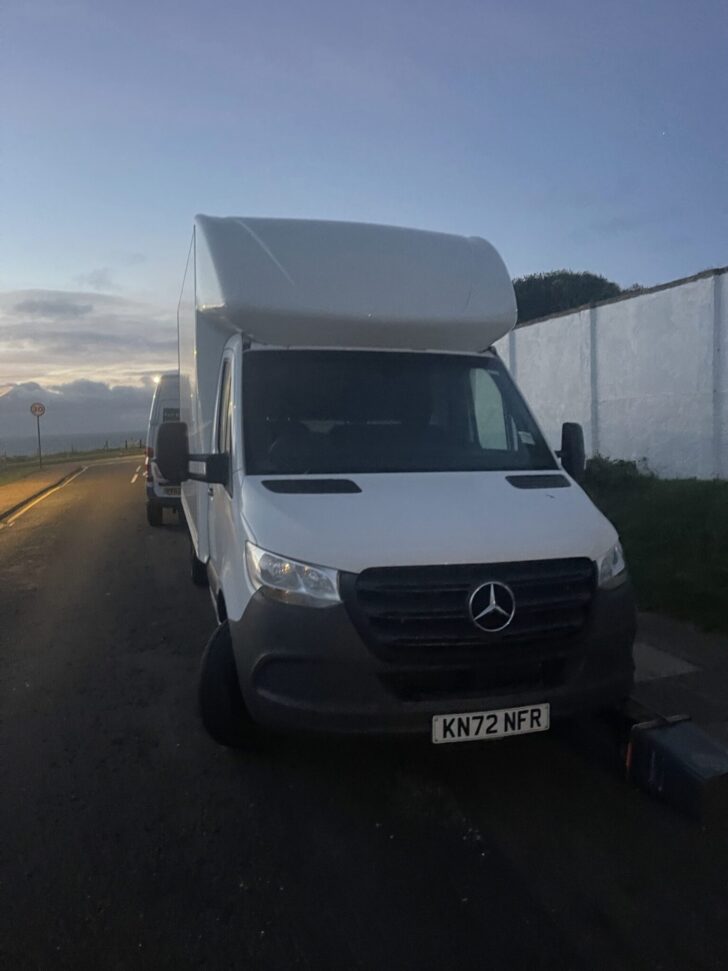
Van and crew rule: A Luton keeps a full house move to one stable, weather protected trip over the motorway miles; a Sprinter suits lighter loads, single rooms and cost sensitive long runs.
To quote fast: Send both postcodes, a rough inventory or photos, floor levels and stair details at both ends, and note any single items worth £500 or more or furniture needing dismantling.
How Far Is Scotland From Sussex?
Edinburgh and Glasgow are both around 460 to 470 miles from Brighton by road, and Aberdeen is around 550 miles before you add anything for the Highlands or a ferry crossing. A route planner will call the central belt an eight hour drive. A loaded removals van with proper breaks does not move like a car, so the realistic picture for Edinburgh or Glasgow is a two day move: we load on day one, stop overnight and unload on day two. Aberdeen, the Highlands and the islands need a longer plan, with ferry timings setting the schedule for the islands.
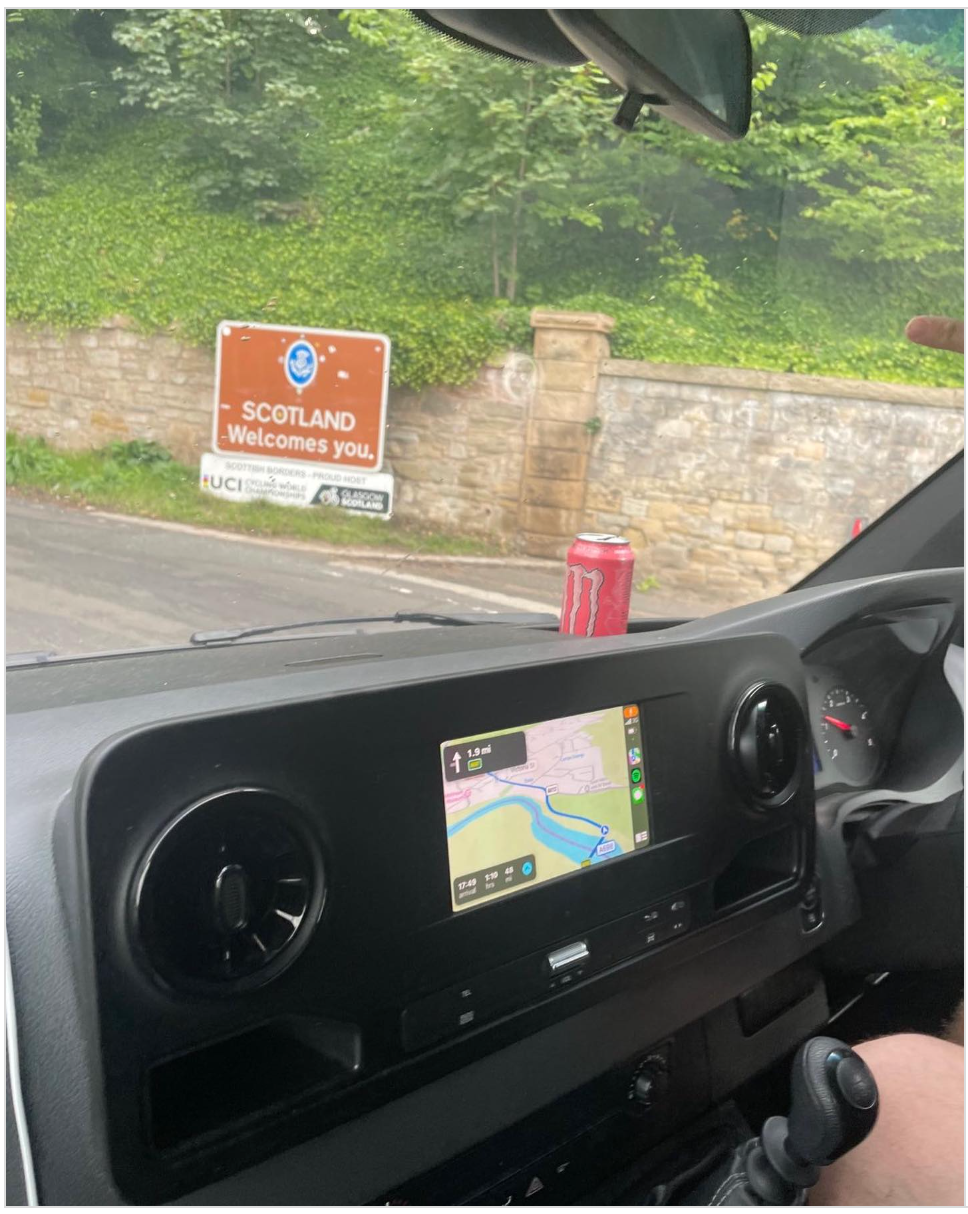
The law shapes this as much as the map does. Under the GB domestic drivers' hours rules, a goods vehicle driver is limited to a maximum of ten hours of driving in a day, which is exactly why a long haul is planned around rest rather than bravado. Loading a full home in Sussex and then driving 460 miles does not fit inside those hours, so even a central belt move is planned with an overnight stop, as we did near Edinburgh on our Selsey to Fife move, and the far north gets a longer plan again. Rest built into the plan is not lost time. It is what keeps your belongings and everyone else on the road safe.
Local Pro Tip: Load the Day Before in Sussex
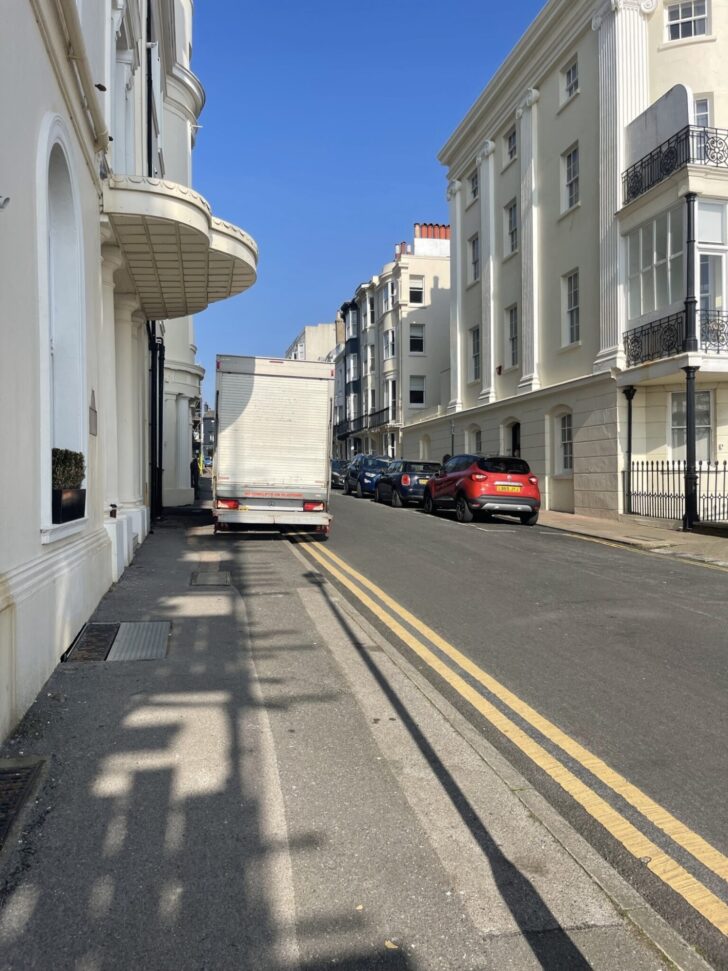
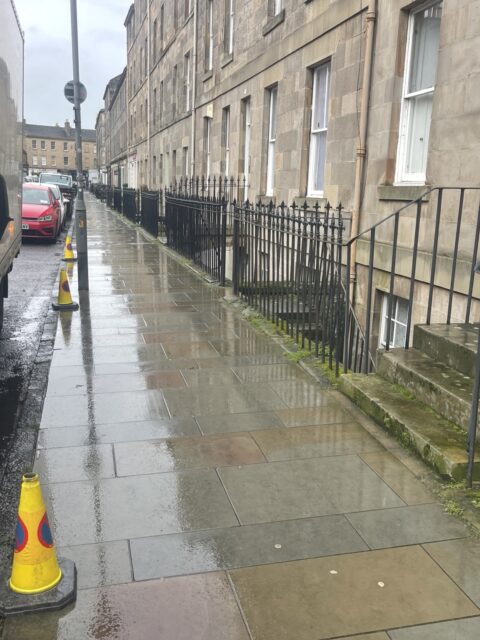
The calmest Scotland runs give the Sussex end a day of its own. If we pack and load on day one, the van heads north with a full, stable load, stops overnight, and the driver starts day two with clear hours for the final run and the unload. This matters even more from tight Sussex collection points, a Hanover hill terrace, a Kemptown basement or a seafront building with a narrow loading window, where a rushed morning load would otherwise eat into the driving day.
What Changes When You Move From England To Scotland?
More than most people expect, and it is the everyday systems rather than anything dramatic. The four changes that affect almost every household are the Low Emission Zones in the cities, the house buying process, the way water is billed, and the tax on buying property. A fifth, the weather, is less official but just as real.
Scotland is a different legal jurisdiction, which is why the property system works differently, and a devolved nation, which is why several public services are organised in their own way. Your driving licence, your passport and your bank account all carry on exactly as before. What changes is a layer of practical rules, and knowing them in advance is the difference between a smooth first month and a stack of surprises.
The sections below take each one in turn, because these are the questions we get asked most often on our England to Scotland removals.
Scotland's Low Emission Zones Explained
Glasgow, Edinburgh, Aberdeen and Dundee all operate Low Emission Zones covering their city centres. They work differently from the pay to enter Clean Air Zones and ULEZ you may know from England: there is no daily charge to pay, the zones run continuously, and a non compliant vehicle that enters simply receives a penalty notice through the post, detected by number plate cameras. Fines start at £60, halved if paid promptly, and double for repeat offences.
Euro 6 for diesel cars and vans (generally vehicles registered from September 2015).
Source: Traffic Scotland
That is the standard that matters for most households: Euro 6 for diesel, Euro 4 for petrol. A modern car or van comfortably meets it, and our Luton van is Euro 6 and compliant, so a city centre delivery is planned around parking and carrying rather than around whether the van can enter at all. If you are bringing an older car north, the Scottish Government runs a free vehicle checker that confirms compliance in seconds. Checking before you move is far cheaper than finding out by post.
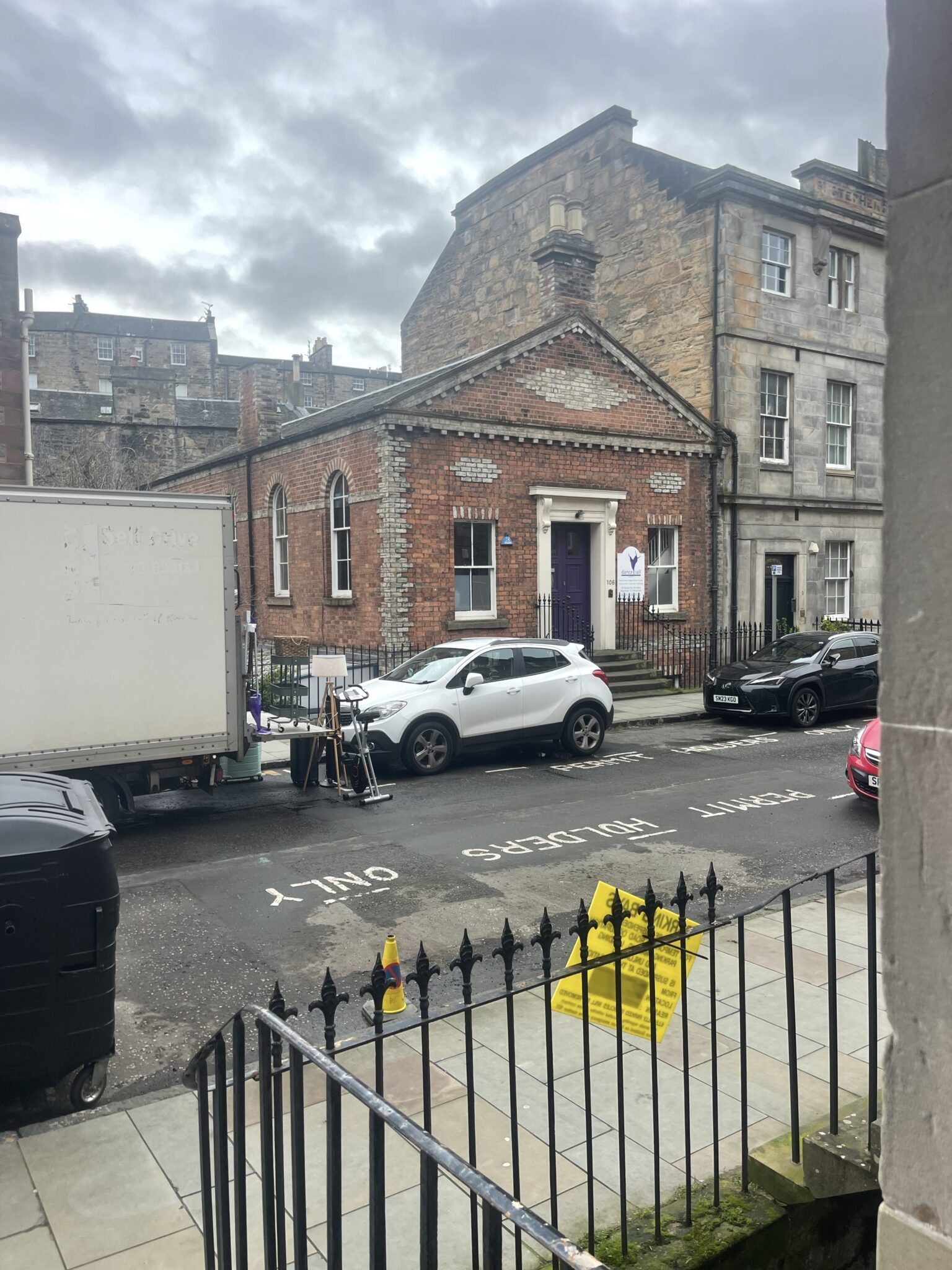
Each city wears its zone differently. Edinburgh's sits across the city centre where the tenements and controlled parking are, Glasgow's covers the central grid, Aberdeen's is a compact area around Union Street with the ferry terminal outside it, and Dundee's covers the inner centre. Our Brighton to Edinburgh removals page covers the capital's parking and access planning in detail.
What Is It Like Living In A Tenement?
Different from any flat you have lived in down south, and mostly in good ways. A huge share of Edinburgh and Glasgow homes are tenement flats: solid stone buildings of four or five storeys around a shared stair, with high ceilings, big windows and rooms on a scale modern blocks rarely match. They are the default housing of both cities rather than a niche, and living in one quickly feels normal.
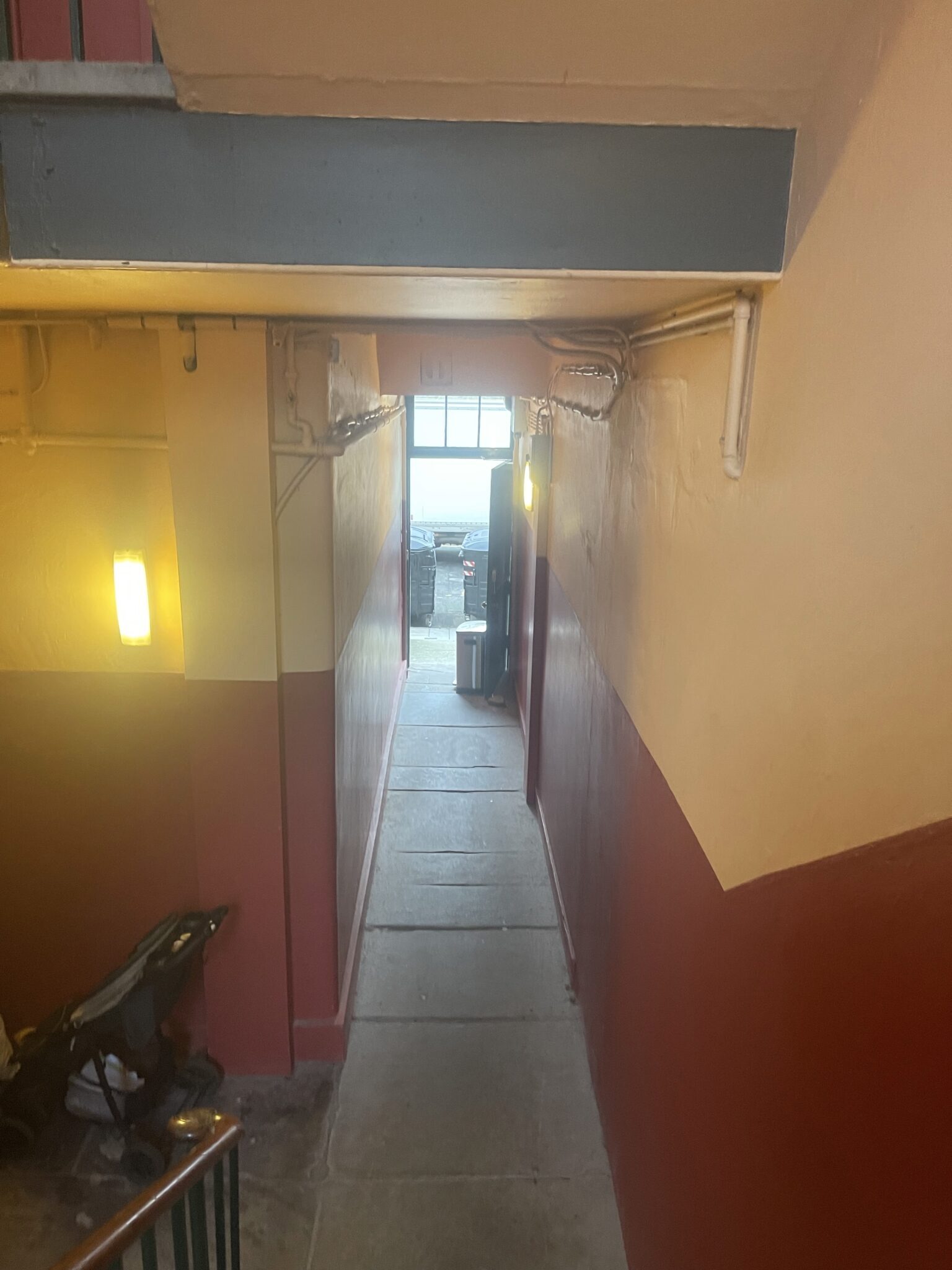
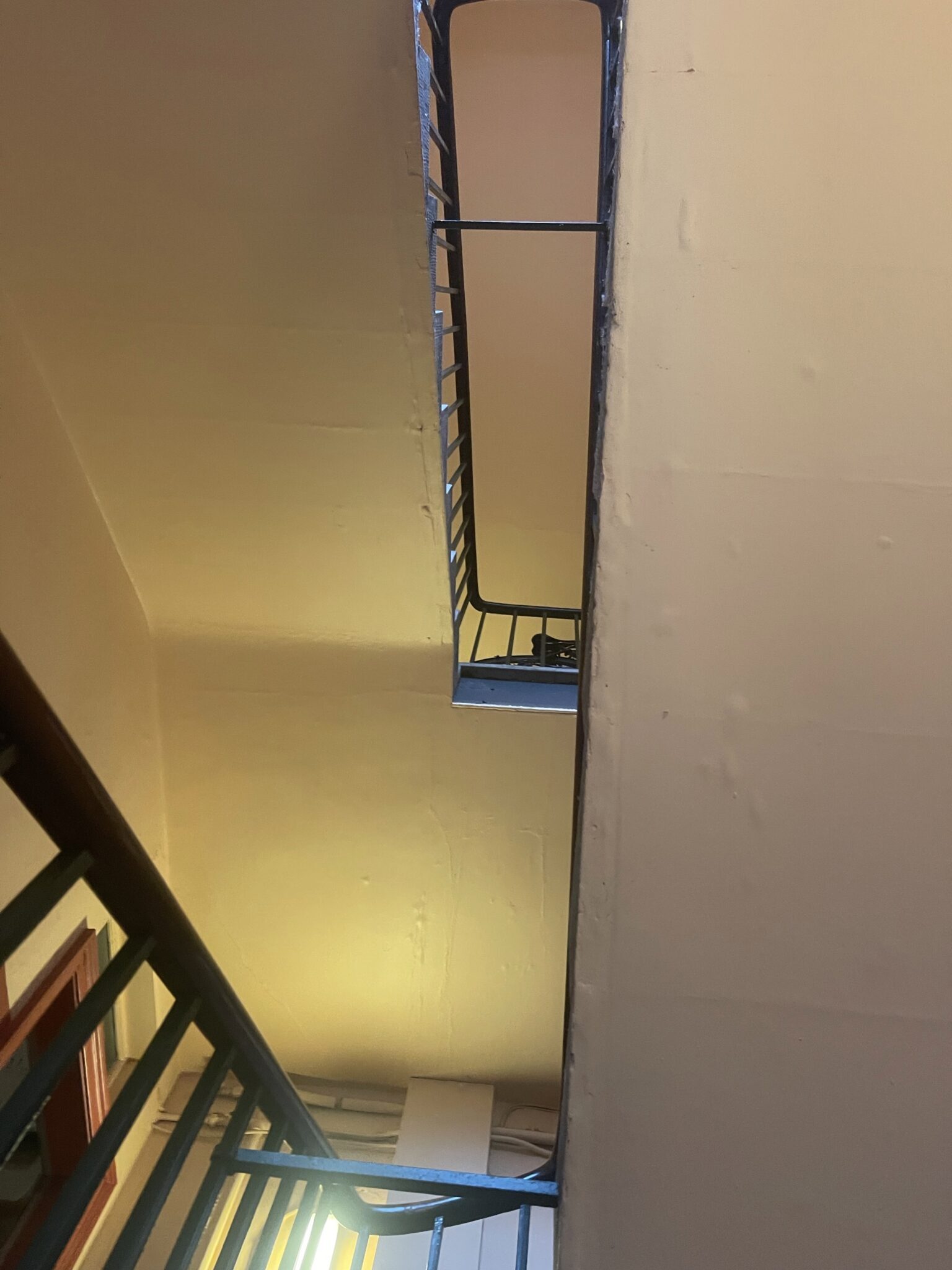
The practical realities are the shared stair and the shared responsibility. There is usually no lift, so daily life includes the climb, and the building's common repairs are shared between owners, which is worth reading up on before you buy a top floor flat under a hundred year old roof. Stair etiquette, communal cleaning rotas and factor fees, the Scottish term for a managing agent's charges, all come with the territory.
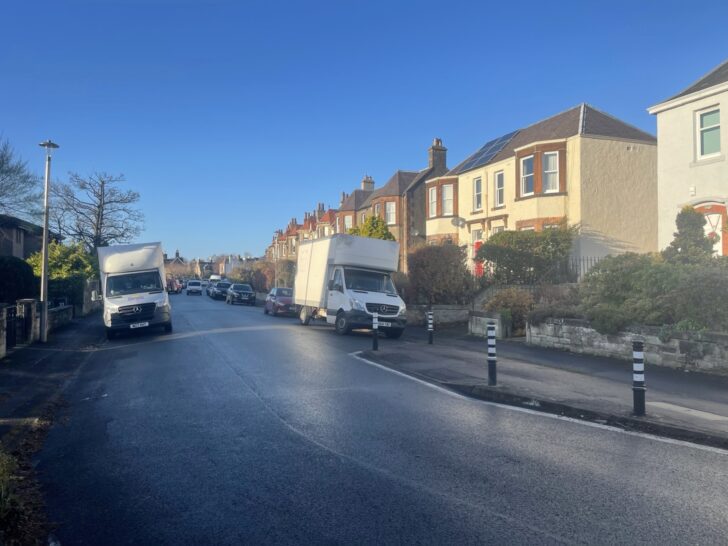
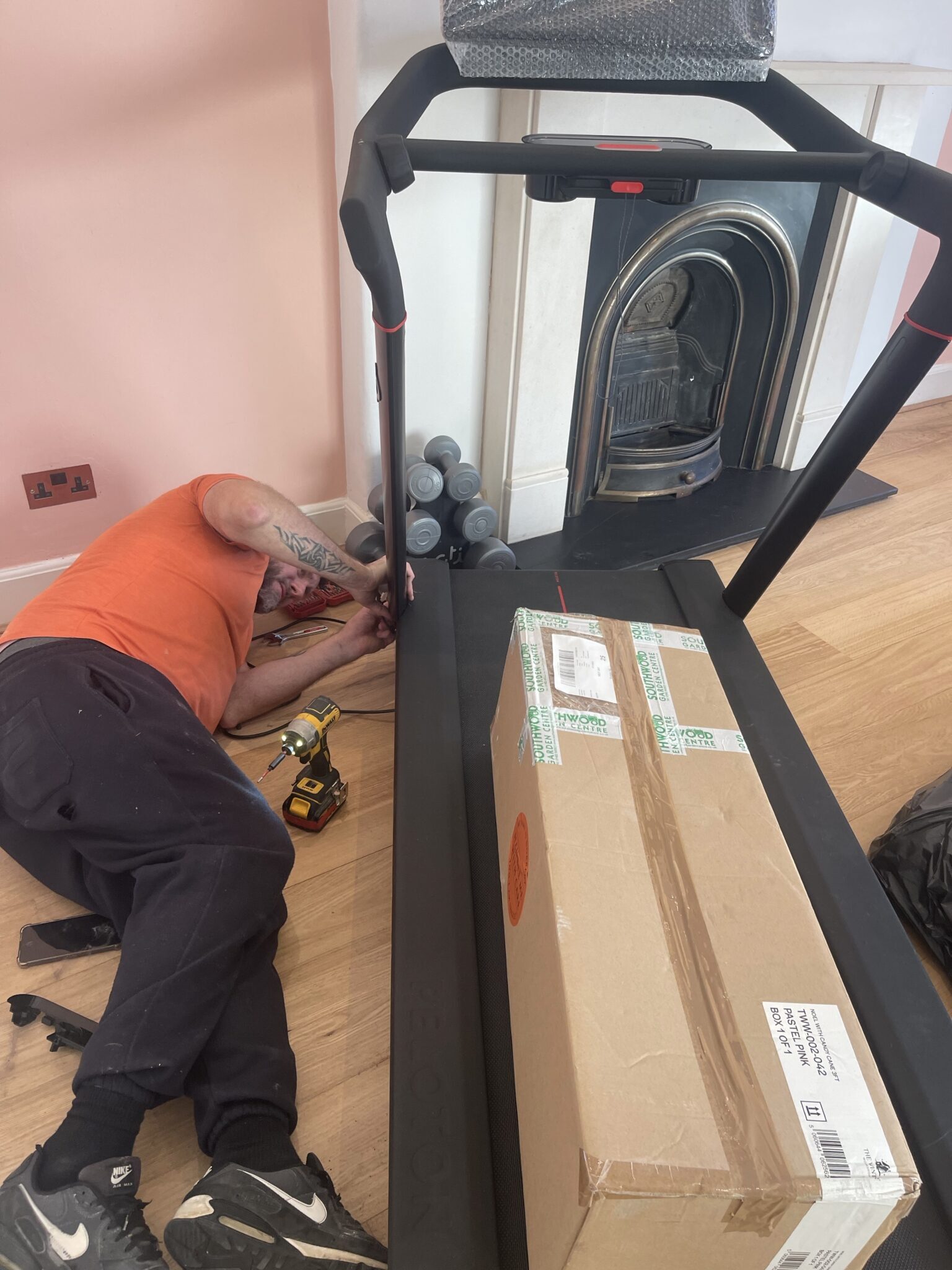
From a moving day point of view, the tenement stair is the job. A third floor flat with a tight turn on each landing is real physical work, and it needs the right crew size booked from the start rather than discovered on the day. We assess stair configuration, floor level and the closest legal stopping point at the enquiry stage, and where a wardrobe or sofa will not turn cleanly, we dismantle and reassemble rather than force it. Newer blocks bring their own rules instead: booked lift slots, concierge sign in and timed loading bays.
Local Pro Tip: Photograph the Stair, Not Just the Street
For a tenement move, a photo of the communal stair tells us more than a photo of the building. The width of the turn on each landing decides which items travel whole and which get dismantled, and how many crew the job needs. Thirty seconds with your phone on a viewing saves an hour of problem solving on moving day.
Do You Need A Scottish Solicitor To Buy A Home In Scotland?
Yes. Scotland has its own legal system, and property purchases run through a Scottish qualified solicitor from the very start of the process, not after an offer is accepted. If you are selling in Sussex and buying in Scotland, you will have an English solicitor handling the sale and a Scottish solicitor handling the purchase, and the two need to talk to each other on timing.
Once all points have been agreed in writing, a binding contract will have been formed. Neither party can pull out of this contract without penalty.
The process differs in three ways worth knowing early. First, sellers must publish a Home Report before listing, which includes a survey and valuation, so much of the information English buyers pay for after offering is available upfront. Second, most homes are marketed at "offers over" a guide figure, with interested buyers noting interest through their solicitors and a closing date set for sealed best offers in competitive areas. Third, once the solicitors' letters, called missives, are concluded, the deal is legally binding on both sides, and this happens far earlier than exchange does in England, which is why gazumping is rare and sales fall through less often. The Law Society of Scotland has a clear public guide to the whole journey.
One more difference for the budget: Scotland does not charge stamp duty. Property purchases pay Land and Buildings Transaction Tax instead, with its own bands and rates set by the Scottish Government and collected by Revenue Scotland, so run the numbers on the Scottish system rather than an English calculator.
For the move itself, the early binding contract is genuinely useful. Because your date of entry, the Scottish term for completion day, is fixed in the missives weeks in advance, a Scotland relocation can usually be booked with more certainty than an English chain allows. If dates still shift, our completion day experience and storage options cover the gap.
Is It Cheaper To Live In Scotland Than In Sussex?
For housing, clearly yes on average, though Edinburgh narrows the gap. The average Scottish home costs about £77,000 less than the UK average, and the difference against Brighton and much of Sussex is larger still. That headroom is one of the most common reasons people make this move: the same budget buys a bigger home, a shorter mortgage or a lower cost of living, sometimes all three.
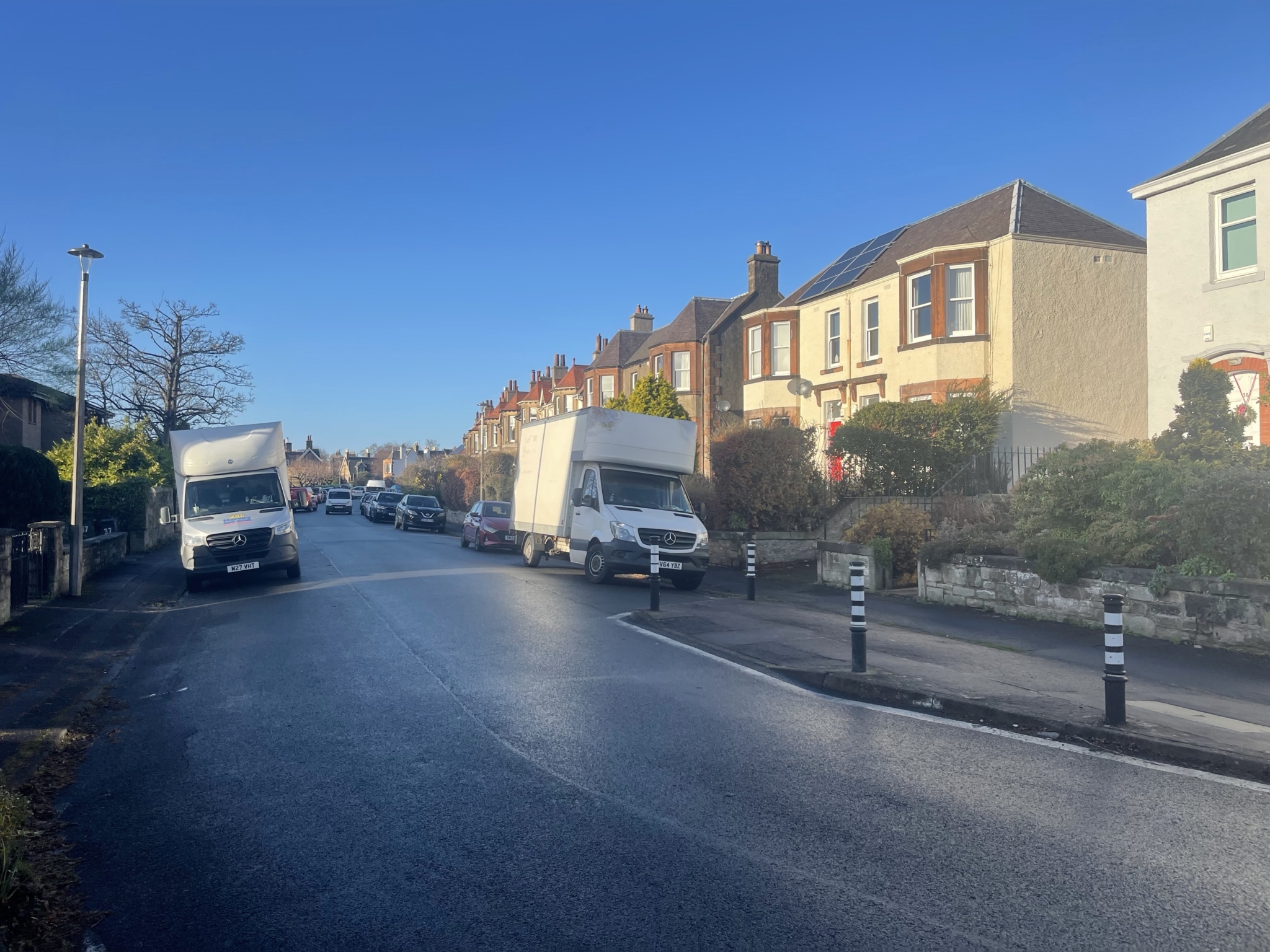
The average price of a property in Scotland was £195,000.
The spread inside Scotland is wide. Edinburgh is the clear outlier at the top of the market and prices there can feel closer to the South East than to the rest of Scotland, while Glasgow, Dundee, the Borders and much of the rest of the country sit well below it. Rural and island properties can look remarkably affordable on paper, with the trade off of distance, fuel and ferry logistics built into daily life.
Day to day costs are broadly similar to England, with a few Scottish differences: water and sewerage are billed through Council Tax rather than separately, prescriptions are free, and Scotland sets its own income tax bands, which differ slightly from England's. None of these transform a household budget on their own, but together with the housing gap they explain why the maths of this move so often works.
Who Do You Pay Water Bills To In Scotland?
Nobody separately, and this is the admin change that surprises people most. In Scotland, water and sewerage charges for households are collected by your local council through your Council Tax bill, on behalf of Scottish Water. There is no water company to phone, no account to open and no direct debit to set up. Register for Council Tax with your new Scottish council and the water side is handled automatically.
The rest of the arrival admin follows the pattern you would expect, with a few Scottish touches. Register with a local GP practice and dentist through NHS Scotland rather than NHS England. Update your address with the DVLA, which is free, covers the whole of Great Britain, and carries a fine of up to £1,000 if ignored; your licence itself stays exactly the same. A Royal Mail redirection buys breathing space while banks, pensions and subscriptions catch up, and it is worth setting up before the move rather than after. Our change of address checklist covers everyone else you need to tell.
Schools are a genuine difference worth researching early if you have children. Scotland runs its own curriculum and school year, term dates differ from England, and children typically start primary school and sit their qualifications on a different pattern. Your new council's website is the right starting point for catchment and enrolment.
What Is The Weather In Scotland Really Like?
Colder, wetter in the west, and with a bigger swing in daylight than the South Coast, and it is the daylight that new arrivals notice most. Midwinter days in the central belt are short, midsummer evenings are gloriously long, and the further north you go the stronger both effects become. The east, including Edinburgh, is noticeably drier than the west, and Glasgow and the Highlands earn their rainfall reputation honestly.
For daily life it means proper winter kit, decent lighting at home and a genuine appreciation of the long summer nights. For a winter move it means planning: we allow extra time for frost and snow on the route, watch the forecast on the high stretches of the M74 and the A9, and adjust start times so the unload happens in daylight where possible. Island moves add ferry weather into the plan, which is covered below.
Moving To The Highlands And Islands
Plenty of Scotland relocations head well beyond the cities, and the far north and the islands add a layer of logistics that rewards early planning. Two operators carry the vast majority of island traffic. CalMac serves the west coast and the Hebrides from hubs like Oban, Mallaig and Ullapool, and NorthLink sails to Orkney and Shetland from Aberdeen and Scrabster. These are lifeline services for the island communities, overseen by Transport Scotland, and both carry vans.
The constraint is deck space. Vehicle space on popular crossings sells out before passenger space, especially in summer, so the ferry leg is booked well ahead as a fixed part of the move rather than left to chance. Winter weather can disrupt sailings, so an island move is planned with slack and a clear fallback. If your new home is on Skye, Lewis, Orkney or beyond, tell us the destination at the quote stage and we will build the crossing, the timings and the driver rest into a single plan.
Local Pro Tip: Book the Ferry Before the Van
For an island relocation, confirm the ferry crossing first and build the rest of the move around it. A van sized deck space on a summer CalMac sailing can be the scarcest resource in the whole plan, and it is far easier for us to shape loading day around a confirmed sailing than to hunt for a crossing that fits a fixed loading day.
What It's Like Moving To Scotland With ESV
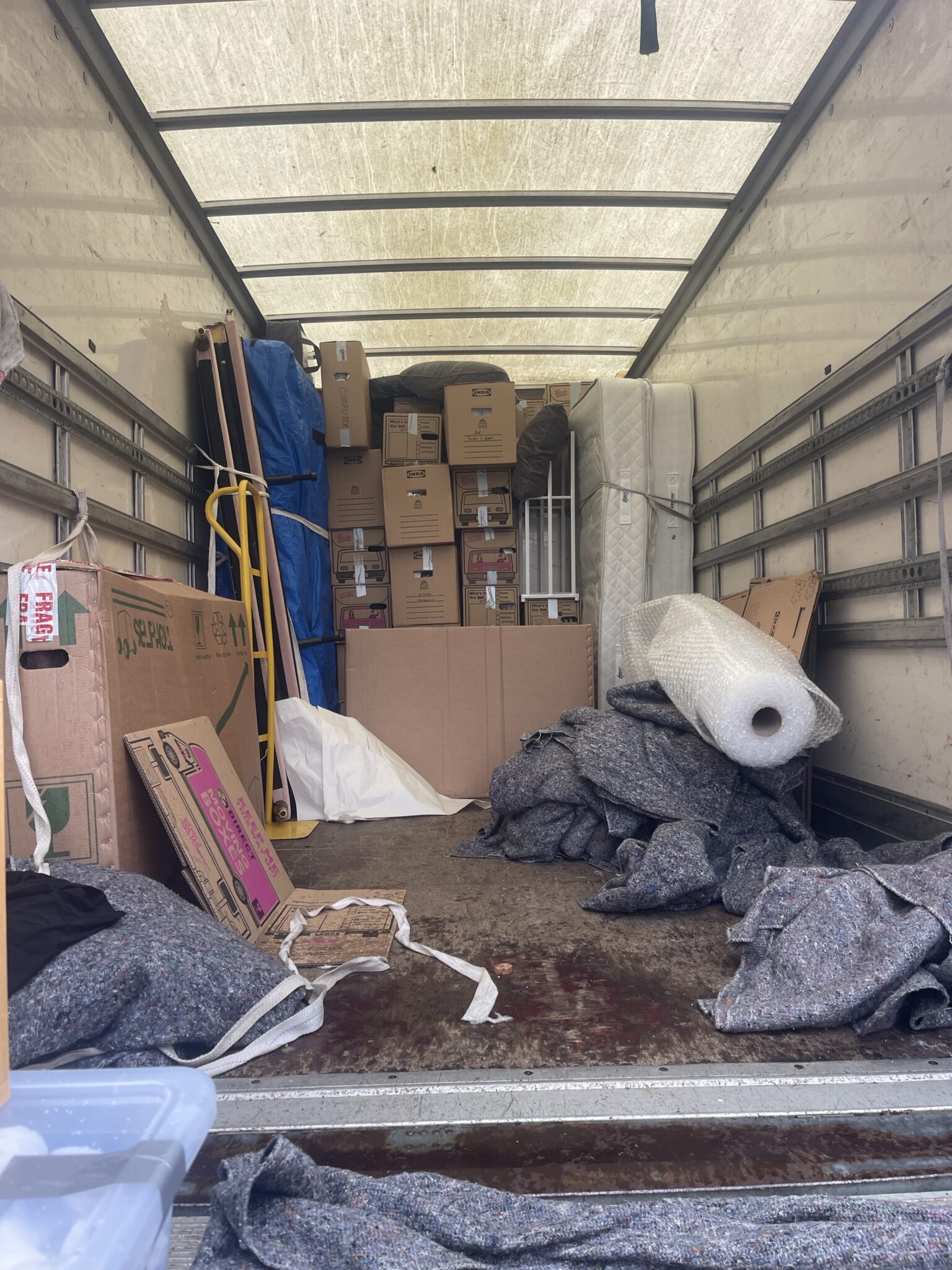
A Sussex to Scotland move with us is one planned job with two carefully managed ends, not a long drive with a scramble either side. We confirm access at both addresses before the day: the Sussex collection, whether that is a Hanover terrace in Brighton, a Kemptown basement or a Haywards Heath semi, and the Scottish delivery, whether that is a tenement stair in Marchmont, a new build lift booking in Glasgow or a farmhouse track in Fife.
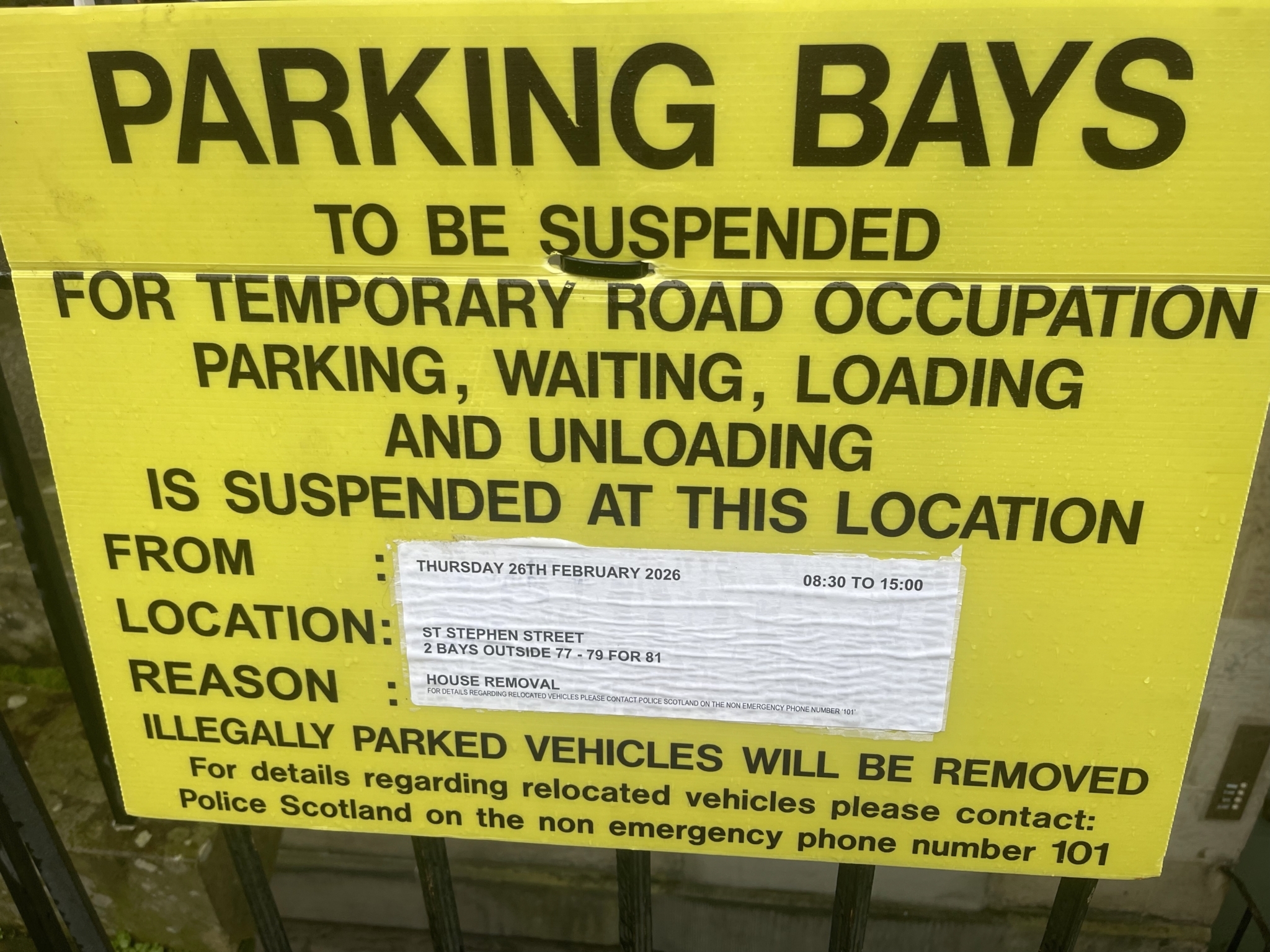
We run this route regularly. Our Hove to Edinburgh case study shows a straight city to city run, and our Selsey to Fife move shows the staged version, with a 48 hour hold at Big Yellow Brighton, an overnight stop near Edinburgh and a remote managed handover at both ends, completed without the customer needing to be present at either address. Our Edinburgh to Shoreham case study runs the same route in reverse, with a full house in two Luton vans and the family travelling south on the Caledonian Sleeper. Long distance moves include live vehicle tracking, so you know where your belongings are across the whole run, and if your date of entry and your Sussex exit do not line up, a short storage stage bridges the gap calmly.
Van choice follows the load, not the postcode. Over motorway miles a Luton keeps a full house move to one stable, weather protected trip, while a Sprinter keeps lighter loads sensible on cost. If the inventory sits on the edge of one vehicle, we say so early and plan properly rather than gamble on the day.
Local Pro Tip: Pack a First Night Bag for a Late Arrival
On a long distance move you may arrive tired, after dark and in weather Sussex did not prepare you for. Pack one bag that travels with you rather than in the van: keys, entry documents, chargers, medication, warm layers and bedding for the first night. It turns a late arrival into a calm first evening while everything else waits for morning.

Moving Tips From Our Team
- Fix your date of entry, then book the move. The Scottish system locks your completion date in the missives weeks ahead, so use that certainty and book the van as soon as the date is agreed.
- Check every vehicle you are taking against the LEZ standards. The van is our problem, and our Luton van is Euro 6 and compliant. The family car is yours, and the free checker takes seconds.
- Send photos of both ends. A Sussex frontage photo and a Scottish stair photo let us plan crew, vehicle and carry route properly before anyone lifts a box.
- Declare single items worth £500 or more upfront. Long hours on the road make proper wrapping, placement and insurance planning matter even more than on a local move.
- Plan the admin before the boxes. Council Tax registration handles your water automatically, the DVLA update is free, and a Royal Mail redirection set up before moving day covers everything you forget.
- Let us handle the packing if the schedule is tight. Our packing service the day before departure is the single biggest calming influence on a long distance move.
- If the dates slip, stage it. A short storage hold protects your Sussex exit date even if the Scottish end runs late.
Removals Services For A Sussex To Scotland Move
We cover the full relocation with a practical, fully insured service:
- Long distance relocations with live vehicle tracking, including our dedicated Scotland removals, Edinburgh removals and Glasgow removals routes
- Full house and flat removals from anywhere in Sussex
- Man and van for smaller long distance loads
- Packing support and protective wrapping
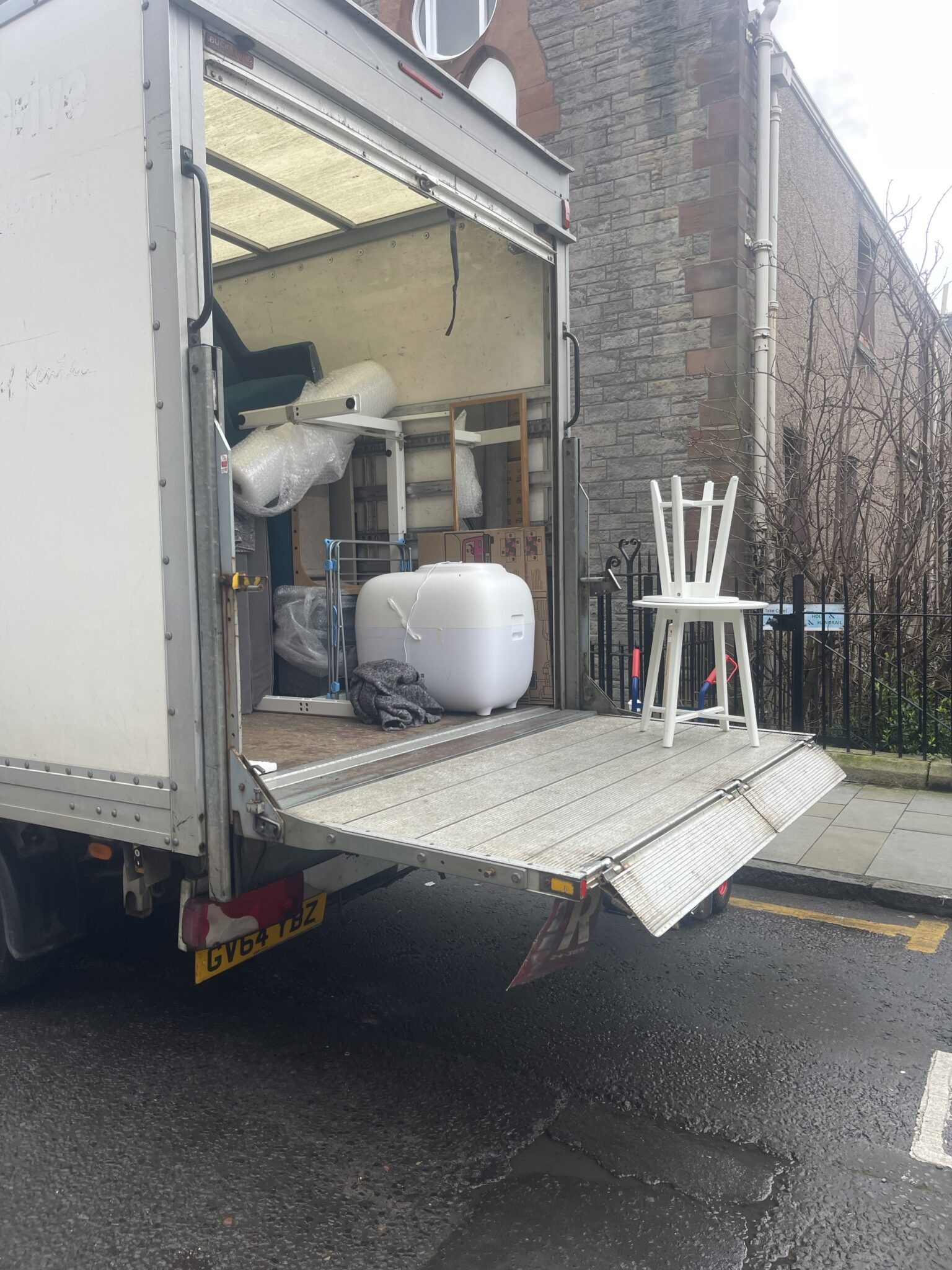
- Furniture dismantling and reassembly at both ends
- Completion day removals planned around your date of entry
- Storage solutions via our Big Yellow partnership for staged moves
- Remote managed handovers when you cannot be at both ends
- £40,000 Goods in Transit per vehicle and £5 million Public Liability
All quotes come from Peter directly. No call centres, no intermediaries, no hidden extras on the day. Everything runs under our eco pledge: Esso Ethos+ renewable diesel where available, box reuse and take back, and paperless quotes, bookings and invoices.
Why We Love Scotland Runs
There is something satisfying about a move where the destination genuinely changes someone's life rather than just their postcode. Scotland relocations tend to be considered decisions, made for space, value, work or a different pace, and by the time the van is booked the household has usually thought hard about it.
Unloading into a tenement stair in Edinburgh as the evening light comes off the Firth, or into a village house in Fife with the customer watching on a video call from Sussex, is the kind of job this company was built for. Long distance is in the name on the side of the van. Going further to keep you moving is not a slogan on these runs, it is the job description.
What Our Scotland Customers Say
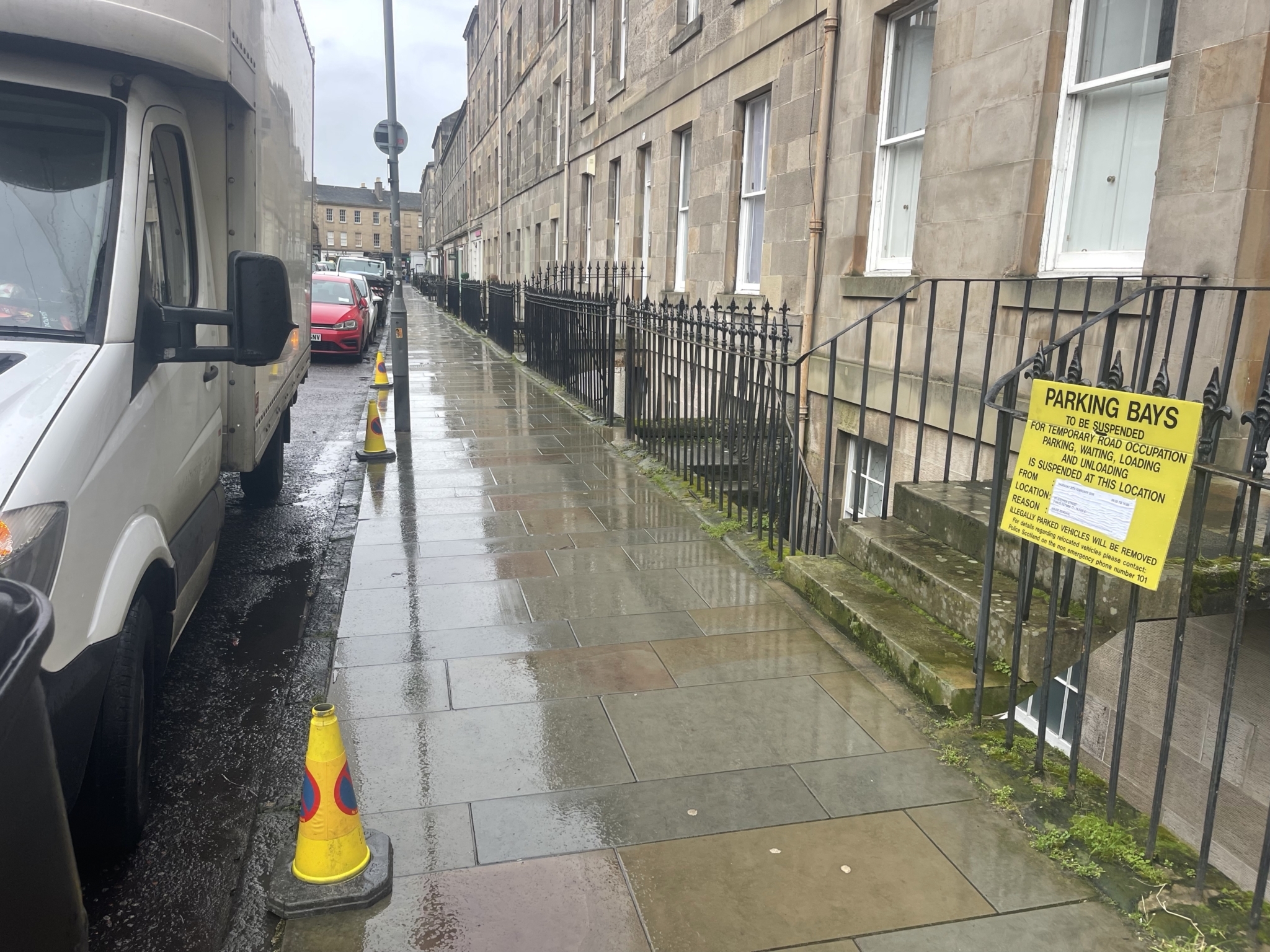
Two recent five star Google reviews from households we moved north, both facing the exact challenges this guide describes: a remote managed handover with the customer not present, a storage hold in the middle, and furniture carried up multiple tenement flights.
Peter and his team moved my mum from West Sussex to Fife, amid various challenges and complexities (such as my mum not being present at either end of the move). They were professional, friendly, efficient, reliable and helpful throughout, offering to store some of her belongings at short notice and rearranging a second delivery for her at a later date.
They made the whole job look a lot easier than it was, loading and unloading carefully but quickly, and reassembling furniture much more effectively than we could have! At every step of the way their communication was fantastic, and they took care to check details with us that other firms have overlooked in the past.
I'd recommend them for any move you're contemplating, and can't thank them enough for being so flexible and understanding about our situation. Thank you!
Amy Tupman, West Sussex to Fife, five star Google review
Peter and his team helped us move from Brighton to Scotland, and we could not have asked for a better experience. From start to finish, they were incredibly communicative, organised and helpful, which made what could have been a very stressful move feel smooth and manageable.
They were professional, super friendly and impressively efficient, even with the challenge of carrying everything up and down multiple flights of stairs to reach our flat.
We honestly could not recommend Peter and his team highly enough. We are so grateful for all their support. Thank you again guys!!!
Kalyn Smith, Brighton to Scotland, five star Google review
Final Verdict On Relocating From Sussex To Scotland
Worth it for the right household, and the right household is one that moves with its eyes open. If the draw is space, value and a different pace, Scotland delivers all three, and the housing gap against Sussex gives the move real financial headroom. The systems that change at the border, the solicitor led buying process, the LEZs, the Council Tax billed water, are differences to learn rather than obstacles, and the early binding Scottish contract actually makes the move itself easier to plan than an English chain.
It is probably not the right move for someone who needs to be back in the South East often and underestimates what 460 miles feels like in practice, or for anyone romanticising the Highlands without pricing in the winters, the distances and the ferry timetables. Scotland rewards people who move to it deliberately.
If you are planning the move, we would be glad to help you do it properly. Request a quote online, call Peter directly on 07552 555 820, or send us a WhatsApp with both postcodes. Our Sussex to Scotland removals page sets out how the route runs, and you can see recent long distance move days on Instagram.
Sussex To Scotland Relocation Summary
Distance and time: Around 460 to 470 miles from Brighton to Edinburgh or Glasgow, around 550 miles to Aberdeen; usually two days for the central belt, loading on day one, stopping overnight and unloading on day two, with a longer plan for Aberdeen, the Highlands and the islands.
Average house price: Around £195,000 across Scotland against a UK average of about £272,000; Edinburgh the clear outlier at the top, Glasgow, Dundee and the Borders well below it.
What changes at the border: Camera enforced Low Emission Zones in Glasgow, Edinburgh, Aberdeen and Dundee; solicitor led house buying with Home Reports and early binding missives; Land and Buildings Transaction Tax instead of stamp duty; water and sewerage billed through Council Tax; NHS Scotland registration; a different school system and term dates.
The cities: Edinburgh runs on tenement stairs, controlled parking and booked lift slots; Glasgow on communal carries and shared entrances; Aberdeen is above all a mileage run, with the ferry terminal outside its LEZ.
Highlands and islands: CalMac serves the west coast and Hebrides, NorthLink serves Orkney and Shetland; vehicle deck space books out ahead of passenger space, so the ferry leg is fixed first.
Booking window: Four to six weeks ahead for a staged long distance move, longer where a ferry crossing or a summer date is involved.
Key Terms
Low Emission Zone (LEZ)
A camera enforced central zone in Glasgow, Edinburgh, Aberdeen or Dundee restricting the most polluting vehicles, running 24 hours a day with no pay to enter option. The standard is Euro 6 for diesel and Euro 4 for petrol cars and vans, which modern vehicles, including our Luton van, comfortably meet.
Tenement
The traditional stone flat building of Edinburgh and Glasgow, typically four or five storeys around a shared stair with no lift. Tenement moves are planned around the stair: crew size, carry route and dismantling decisions all follow from it.
Missives
The series of formal letters exchanged between the buyer's and seller's Scottish solicitors that together form the contract for a property sale. Once missives are concluded the deal is legally binding on both sides, far earlier than exchange in England, which is why Scottish sales fall through less often.
Home Report
The pack a Scottish seller must publish before listing a property, including a survey and valuation, an energy report and a property questionnaire. Buyers read it before offering rather than commissioning their own survey afterwards.
Date Of Entry
The Scottish term for completion day, fixed in the missives, when funds transfer and keys are handed over. Because it is agreed weeks in advance, a Scotland move can usually be booked with more certainty than an English chain allows, and if your Sussex exit still lands first, a short storage hold bridges the gap.
Land And Buildings Transaction Tax (LBTT)
Scotland's replacement for stamp duty, with rates and bands set by the Scottish Government and the tax collected by Revenue Scotland. Budget on the Scottish system, not an English calculator.
Scottish Water
The public body supplying water and sewerage across Scotland. Household charges are collected through your Council Tax bill by your local council, so there is no separate water account to set up when you arrive.
Drivers' Hours
The legal limits on how long a goods vehicle driver can work. Under the GB domestic rules a driver must not drive for more than 10 hours in a day or be on duty for more than 11 hours, loading included, which is why an Edinburgh or Glasgow move is usually loaded on day one and unloaded on day two, with an overnight stop like the one near Edinburgh on our Selsey to Fife job.
Controlled Parking Zone (CPZ)
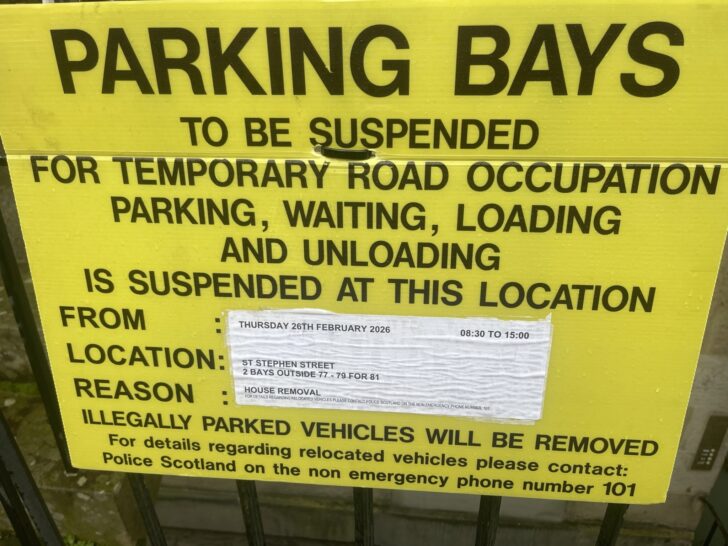
An area where on street parking is limited to permit holders and pay and display users, with yellow lines kept clear for loading and safety. Edinburgh's CPZ covers the city centre and many tenement streets, including Marchmont, so a removal van's stopping point is planned before moving day rather than found on arrival.
CalMac (Caledonian MacBrayne)
The publicly owned ferry operator running the Clyde and Hebrides network, around 30 routes between the west coast mainland and the islands, with services overseen by Transport Scotland. NorthLink covers Orkney and Shetland. Vehicle deck space on popular sailings books out before passenger space, so a van crossing is reserved well in advance.
Frequently Asked Questions About Relocating From Sussex To Scotland
Is it worth moving from the South of England to Scotland?
For the right household, yes, and the housing figures are usually the deciding factor.
The average Scottish home costs around £195,000 against a UK average of about £272,000, and the gap against Brighton and much of Sussex is wider still. That difference funds a bigger home, a smaller mortgage or a lower cost of living, and it is the single most common reason people make this move.
The trade offs are real: distance from family in the South East, darker and longer winters, and a set of systems that work differently enough to need learning. People who move deliberately, having priced in both sides, tend to be the ones who settle and stay.
Which Sussex postcodes do you collect from, and where in Scotland do you deliver?
We collect across the BN, RH, TN and PO postcode families and deliver throughout Scotland, from the Borders to the islands.
That covers Brighton and Hove on BN1 to BN3, the wider Sussex spread through the RH, TN and PO areas, and everything in between. On the Scottish side we run regularly into Edinburgh on the EH postcodes, Glasgow on the G postcodes, Aberdeen on AB and Dundee on DD, then out to the central belt, the Highlands and the island communities beyond.
If your collection point sits just outside Sussex or your delivery is somewhere remote, send both postcodes anyway. On a route this long the exact start and end points shape the plan far more than the county label.
How long does it take to move from Sussex to Scotland?
Usually two days for Edinburgh or Glasgow: we load on day one, stop overnight and unload on day two. Aberdeen, the Highlands and the islands need a longer plan, with ferry timings built in for the islands.
The central belt sits around 460 to 470 miles from Brighton. A route planner calls that eight hours, but a loaded removals van with proper breaks does not move like a car, and a full load at one end and a full unload at the other do not fit into the same day. A goods vehicle driver is limited to ten hours of driving in a day, so the run is planned around a built in overnight stop rather than bravado.
Rest built into the plan is not lost time. It is what keeps your belongings, and everyone else on the road, safe on the long stretches of the M74 and A9. We tell you upfront how many days your move needs and where the overnight stop falls.
Do removal vans need to meet Low Emission Zone rules in Scotland?
Yes, the LEZs apply to vans, and our Luton van is Euro 6 and compliant.
The standard is Euro 6 for diesel and Euro 4 for petrol vehicles, enforced by number plate cameras 24 hours a day in Glasgow, Edinburgh, Aberdeen and Dundee. There is no daily charge to pay; a non compliant vehicle that enters simply receives a penalty notice starting at £60.
Because our Luton van meets the standard, a city centre collection or delivery is planned around parking and carrying rather than around zone access. If you are bringing an older car north, check it on the free Scottish Government vehicle checker before the move, because that is far cheaper than finding out by post.
Do I need to change my driving licence when I move to Scotland?
No, your licence stays exactly the same, but you must update the address on it.
The DVLA covers the whole of Great Britain, the address update is free, and ignoring it carries a fine of up to £1,000. Your licence and your vehicle's V5C log book are separate records, so both need updating when you arrive.
It takes a few minutes online and is one of the easiest items to clear in the first week, alongside Council Tax registration and GP enrolment.
What access details do you need, and how do you plan a Scottish tenement stair or a new build with a lift?
Send a frontage photo of the Sussex address and the closest legal stopping point at both ends, plus a photo of any communal stair.
At the Sussex collection, whether that is a Hanover hill terrace, a Kemptown basement or a Haywards Heath semi, we need to know where the van can legally sit and how far the carry runs. At the Scottish end the stair matters even more.
A tenement move is defined by its shared stair: a third floor flat with a tight turn on each landing is real physical work, and where a wardrobe or sofa will not turn cleanly we dismantle and reassemble rather than force it. Newer blocks bring their own rules instead, with booked lift slots, concierge sign in and timed loading bays. Thirty seconds with your phone on a viewing lets us set crew size, van position and carry route before anyone lifts a box, rather than solving it on the day.
Should we book a Luton or a Sprinter for a move to Scotland?
Van choice follows the load, not the postcode, and a Luton is our default for a full house on this route.
Over 460 miles of motorway, one well packed, weather protected Luton trip keeps your whole home together and stable rather than split across journeys. For a single room, a flat or a cost sensitive move, a Sprinter keeps fuel and staffing sensible without overkill.
If your inventory sits right on the edge of one vehicle, we say so early and plan properly rather than gamble on the day. That means recommending the setup that avoids either an unnecessary second van or a dangerous overstack on a long run north.
Can you move us to Edinburgh, Glasgow or Aberdeen?
Yes, these are our most common Scotland destinations and each has its own shape.
Edinburgh moves usually centre on tenement stairs, controlled parking zones and booked lift slots in newer blocks, which is why our Edinburgh page covers the capital's access planning in detail. Glasgow moves often involve longer communal carries and shared entrances, which our Sussex to Glasgow removals page covers. Aberdeen is above all a mileage run where realistic timing wins the day, and it's covered by our removals to Scotland page.
Can you move us to the Highlands or the Scottish islands?
Yes. For the islands we build the CalMac or NorthLink ferry leg into the plan and book vehicle deck space well ahead.
CalMac serves the west coast and the Hebrides, NorthLink sails to Orkney and Shetland from Aberdeen and Scrabster, and both carry vans, but deck space sells out before passenger space, especially in summer. Winter weather can disrupt sailings, so island moves are planned with slack and a clear fallback.
Tell us the destination at the quote stage so the crossing, the timings and the overnight driver rest all line up as one plan.
Can you store our things if the Scottish date of entry does not line up?
Yes, a short storage stage through our Big Yellow partnership bridges any gap between leaving Sussex and entering your Scottish home.
Even with Scotland's fixed date of entry, a Sussex sale, a tenancy end or a ferry timetable can leave a few days between the two. We load, hold and then run the final leg once your keys are ready, so your Sussex exit is protected even if the Scottish end runs late.
Our Selsey to Fife case study shows exactly this pattern, with a 48 hour hold at Big Yellow Brighton, an overnight stop near Edinburgh and a remote managed handover at both ends. Flag a possible gap at quote stage and we build the stage in from the start.
Can you run the move if we cannot be at both ends?
Yes, we run remote managed handovers with photos, clear communication and live vehicle tracking.
On a 460 mile move it is common for the household to fly or drive separately, start a new job before the furniture arrives, or manage the Sussex end while a relative handles Scotland. We plan key collection, access and placement in advance so the move completes without you being physically present at either address.
You can follow the van's progress on the tracking link across the whole run, and we confirm each stage as it happens.
What insurance covers a long distance move to Scotland, including high value items?
Every ESV move is covered by £40,000 Goods in Transit per vehicle and £5 million Public Liability.
On a run this long your belongings spend at least two days on the road, including an overnight stop, which is exactly when proper cover matters. The Goods in Transit policy protects items through loading, transit and unloading, and the Public Liability cover protects you, your property and any third parties throughout the job.
If any single item is worth £500 or more, such as a piano, an antique, artwork or a fragile heirloom, tell us upfront so its wrapping, placement in the load and cover are planned before the van is loaded rather than on the day. It costs nothing to declare and it is the simplest way to protect the things you would most hate to lose.
Always ask any remover what cover is actually in place before you book. On a 460 mile relocation the answer matters far more than it does on a short local hop.
How far in advance should we book a Sussex to Scotland move?
Four to six weeks for a staged long distance move, and longer where a ferry crossing or a peak summer date is involved.
The Scottish system helps here: because your date of entry is fixed at conclusion of missives, you usually know your completion date weeks ahead, so book the move as soon as the missives conclude. Fridays, month ends and school holidays go first.
If your date is sooner than that, get in touch anyway. We will do our best to accommodate it or suggest an off peak slot that works.
What do you need to quote a Sussex to Scotland move quickly?
Both postcodes, a rough inventory or photos, floor levels and stair details at both ends, and your date of entry if you have it.
Note anything needing dismantling and flag any island destination so we can build the ferry leg in.
With that in hand we can price the job accurately and tell you upfront how many days the plan needs. The more detail you send, the faster and firmer the quote comes back.
Why book your Scotland relocation with ESV?
A Sussex to Scotland move with ESV is one planned job with two carefully managed ends, run by the same person from first message to final unload.
You deal directly with Peter throughout, with no call centre and no intermediary, so the person pricing the job is the person planning it. Long distance moves include live vehicle tracking, the option of a remote managed handover if you cannot be at both ends, and calm, careful handling backed by hundreds of five star Google reviews. Long distance is in the name on the side of the van.
To get started, call Peter on 07552 555 820, get a quote online or read how our Scotland relocation service runs. You can also follow our moves on Instagram @esvremovals.
About The Author...
Peter Hawes is the director of ESV Removals Ltd, a family run Brighton and Sussex removals team known for calm planning, careful handling and clear prices. Peter first worked in removals in 2019, started running his own van in 2022 and incorporated ESV Removals Ltd in 2025. He holds a 2:1 BA (Hons) in English Literature and Digital Media from the University of Brighton. Peter oversees every job from first message to the last box and brings local know how for permit zones, tight stairwells and seafront buildings. ESV is fully insured with £40,000 Goods in Transit per vehicle and £5 million Public Liability, backed by hundreds of five star Google reviews, and was a double winner at the SME Southern Enterprise Awards 2025. The company's eco pledge covers a Euro 6, ULEZ compliant Luton, Esso Ethos+ renewable diesel where available, box reuse and paperless bookings. ESV is signed up to the Brighton & Hove Living Wage Campaign, led by Brighton Chamber, and pays every crew member at least the real Living Wage, because a valued team takes more care on every move. Learn more at www.eastsussexvan.com or follow real move days on Instagram.