Rottingdean Living Quick Answers
Do ESV cover removals in Rottingdean?
Yes. We cover the whole of BN2, including the village core, the seafront, the cliff top roads toward Saltdean and the residential streets rising north toward Woodingdean, plus moves out of the village to anywhere in Sussex, the UK or overseas.
Does Rottingdean have a train station?
No. The nearest mainline station is in Brighton, roughly four miles west. The village relies on the coastal bus corridor and the A259 for getting around.
Do I need a parking permit or a bay suspension to move here?
Usually not a permit. Most of Rottingdean sits outside the city's controlled parking zones, so the challenge is finding clear space rather than paperwork. A bay suspension is worth arranging on busy seafront and village centre stretches, and Brighton & Hove City Council needs seven full working days' notice.
Can a full size removals van reach the village core?
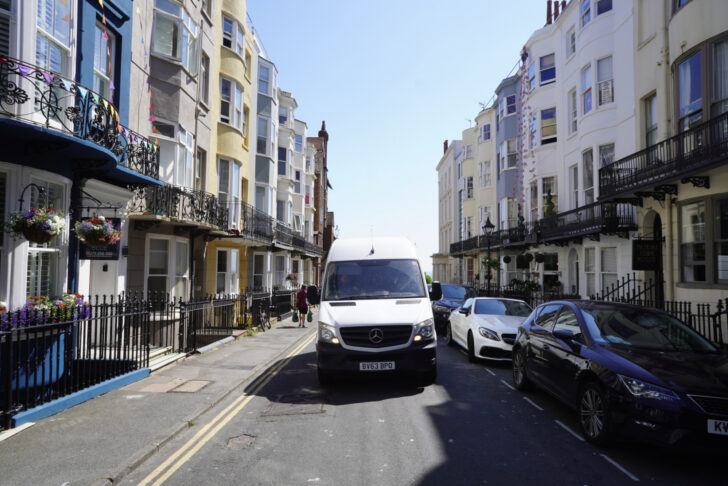
Sometimes, but not always. The lanes around The Green, the pond and the upper High Street are narrow, and a Sprinter often works better there than a Luton. Send a frontage photo and we will confirm the right van before you book.
Is Rottingdean a good place to live?
Yes, particularly for people who want a genuine village with the sea on the doorstep and Brighton a short bus ride away. It offers history, a real community and coastal walks, with the trade off being heavy through traffic and no railway station.
At A Glance
Rottingdean is a historic coastal village that still feels like its own place: Rottingdean sits about four miles east of central Brighton, tucked into a gap in the chalk cliffs where the South Downs meet the sea. It grew up as a Saxon farming settlement around its village pond, became an artists' and writers' bolthole in the late nineteenth century, and has held onto a strong sense of identity ever since. It is the only part of Brighton and Hove to have its own parish council. The result is a place that belongs to the city on paper but feels, on the ground, like a proper village with a high street, a pond, a church, a windmill and a beach, all within a few minutes' walk of each other.
The housing is a mix of period village character and sought after sea view homes: Rottingdean's property stock runs from flint and listed cottages in the conservation area at the heart of the village, through Georgian and Edwardian houses, to large detached homes on the cliff top roads with sweeping Channel views. There are bungalows, semis and family houses on the rising ground to the north and west, a smaller pool of flats and apartments, and the occasional contemporary build. It is a house led market rather than a flat led one, which means the typical buyer is a family, a downsizer or a couple drawn by the village and the coast rather than a first time flat buyer.
At ESV, Rottingdean moves are won on access and timing, not permits: At ESV we move people into and out of Rottingdean regularly, and the job here is less about permit zones and more about reading the village. That means knowing which lanes a full size van can actually work, how the A259 coast road and beach traffic shape the day, where the cliff top wind matters, and how the historic core compares with the easier estate roads up the hill. Peter is your direct point of contact from the first message to the final unload, with every job covered by £40,000 Goods in Transit per vehicle and £5 million Public Liability insurance.
Coverage: We cover Rottingdean moves across BN2, including the village core, the seafront, the cliff top roads toward Saltdean, and the residential streets rising north toward Woodingdean. For a full picture of everywhere we cover across Brighton and Sussex, our areas page has the detail.
Price: Our man and van rate is £80 per hour for two men and a van, with a two hour minimum, from £160. Full house removals are quoted per job rather than by the hour, based on inventory, access and distance. There are no call out fees and no hidden extras on the day.
Parking and access: Most of Rottingdean sits outside the city's controlled parking zones, so the challenge is the narrow village lanes, the busy coast road and on-street pressure near the seafront rather than permits. Where a bay suspension is needed, Brighton & Hove City Council requires seven full working days' notice, with an administration fee of £38 (£19 for residents) plus a daily charge of £51 per 5.5 metre bay for a removals suspension.
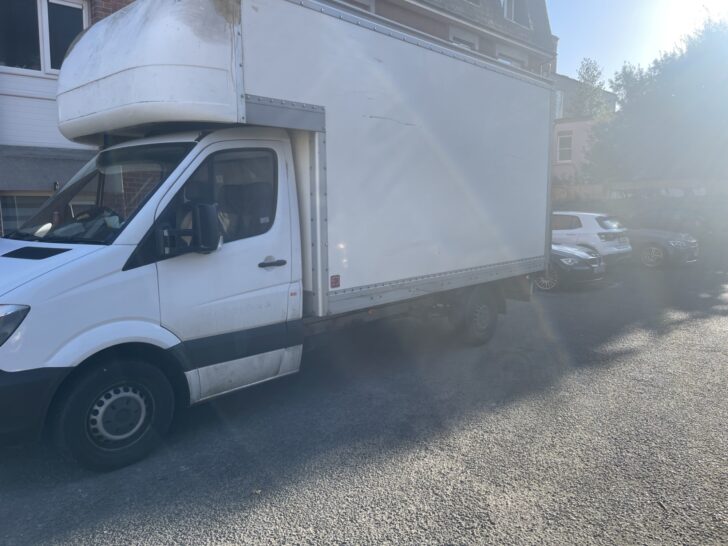
Van and crew rule: A Luton with two crew suits most family homes here; a Sprinter is the better choice for cottage moves in the tight village core and for smaller flat loads. We pick the setup that keeps the carry short and avoids repeat shuffles on narrow streets.
To quote fast: Send your postcodes, a rough inventory or some photos, floor level if relevant, and note any single items over £500 or furniture needing dismantling.
What It's Like to Live in Rottingdean
Rottingdean is a coastal village inside the boundary of Brighton and Hove, sitting in a natural gap in the chalk cliffs about four miles east of the Palace Pier. The name comes from the Saxon settlement of "Rota's people in the dean," a dean being a valley or fold in the downs, and that geography still shapes the place: the village sits low, sheltered between rising ground to the north and the cliffs to the south, with the sea at the bottom of the High Street.
What makes Rottingdean worth writing about is the rare combination of a genuine village and a city on the doorstep. You get a pond, a flint church, a windmill on the hill, a working high street of independents, and a beach with white cliffs, but you are also fifteen to twenty minutes from the centre of Brighton on the bus. Very few places manage to feel this self contained while sitting inside a city of a quarter of a million people.
The village has a long creative pedigree. In the late nineteenth and early twentieth centuries it drew artists and writers including Sir Edward Burne-Jones, his nephew Rudyard Kipling, the painter Sir William Nicholson, and the novelist Enid Bagnold, who wrote National Velvet and lived for decades at North End House on The Green, the former Burne-Jones home. That heritage is still visible in the buildings around The Green and in the public gardens that once belonged to Kipling's house. Rottingdean wears its history lightly, but it is everywhere once you start looking.
Why Move to Rottingdean
The clearest reason is the coast. Rottingdean gives you sea views, beach walks, the famous Undercliff Walk toward Brighton Marina, and the open downland behind the village, all as part of ordinary daily life rather than as occasional weekend trips. For people relocating from inland towns or from the denser parts of Brighton, that shift in everyday rhythm is the main draw.
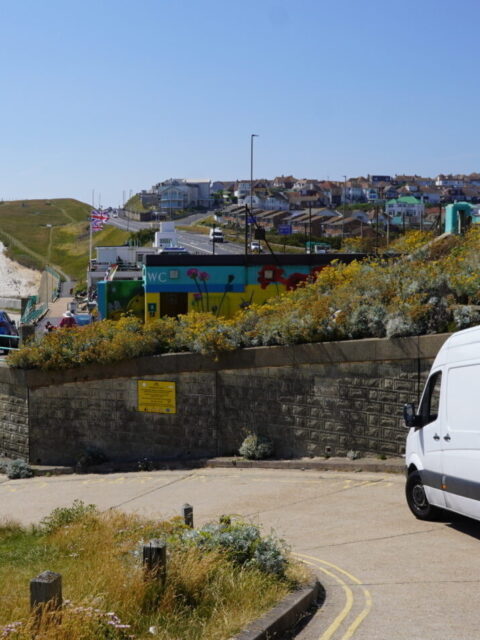
Our Mercedes Sprinter on the Rottingdean seafront, high roof and MWB load space ready for a coastal village move.
The second reason is the village itself. Rottingdean has resisted becoming a dormitory. It has its own parish council, an active arts and events calendar, a working high street with a butcher, a bakery, a greengrocer, a post office and independent shops, and a community that turns out for the village fair, the music festival and the seasonal events around The Green. People here tend to get involved, and newcomers who join a club or volunteer find it an easy place to settle into.
The third reason is proximity to Brighton without the price of the city centre lifestyle in every direction. You are close enough to reach the Lanes, the station and the nightlife quickly, but far enough out that the pace at home is calm. For families in particular, the mix of good local primary schools, the beach, the windmill and Beacon Hill makes for a childhood that is hard to replicate in a flat in town.
The honest counterweight is traffic. The A259 coast road runs straight through the village, and in summer and at weekends it can be slow and busy. Anyone considering Rottingdean should spend a Saturday there before committing, ideally in good weather, to understand how the through traffic feels.
The Area, the Vibe and Community
Rottingdean has a strong, slightly old fashioned sense of community in the best way. The pond at the centre of the village is the social heart, ringed by The Green, the church, and some of the oldest and most photographed houses in the area. The High Street runs north from the coast road up a gentle rise, lined with independents, cafés and pubs, and it functions as a genuine local centre rather than a row of shops people drive past.
The mix of residents is broad. There are families drawn by the schools and the beach, retirees and downsizers who want the sea and a slower pace, professionals who commute into Brighton or work from home, and households who have been in the village for decades. That spread gives Rottingdean a settled, multi generational feel. It is not a transient place.
The rhythm of life is coastal and seasonal. Summer brings beach days, the Undercliff Walk busy with families and dog walkers, and a noticeable lift in visitors and traffic. Winter draws the village in on itself, with the pubs, the church and the community venues carrying more of the social life. Across the year the dominant patterns are school runs, dog walks along the seafront, coffee on the High Street, and weekend walks up onto the downs or along the cliffs.
Rottingdean Housing and Property Prices
The housing stock in Rottingdean is varied and tends to carry a premium for the village setting and the sea. At the heart of the conservation area around The Green and the pond you find flint cottages, listed buildings and Georgian and Edwardian houses, many with period character and tight historic footprints. Moving out from the core, the streets rising north and west toward the windmill and Beacon Hill hold a mix of substantial semis, detached family homes and bungalows on wider plots. The cliff top roads toward Saltdean, including the sea facing crescents and avenues, carry the largest and most expensive houses, where elevated sea views push prices well into seven figures. Flats and apartments exist but are a smaller share of the market than in the city proper, which makes the village distinctly house led.
According to Rightmove, house prices in Rottingdean have an overall average of £703,736 over the last year, which places the village firmly at the higher end of the Brighton and Hove market. Detached properties made up the majority of sales and averaged £908,263, terraced homes averaged £595,167, and flats averaged £306,750. That spread is the important part: the headline average is pulled upward by the detached cliff top and sea view stock, while flats and terraces still offer a realistic entry point into the village.
Overall average price: £703,736 over the last year.
Detached: £908,263. Terraced: £595,167. Flats: £306,750.
Market direction: Sold prices over the last year were around 14% up on the previous year and about 5% above the 2022 peak of £669,690.
Source: Rightmove, sold price data, checked August 2026. Figures are approximate and move with the mix of property sold.
Prices hold up here because supply is genuinely constrained. The village is hemmed in by the sea, the cliffs, the downs and the conservation area, so there is very little room for new development, and demand from buyers who want a coastal village within the city stays consistent. If you are buying and want to understand the full cost of a move including stamp duty, our stamp duty guide for Sussex buyers covers current rates with worked examples. From a removals standpoint, the housing mix has real practical consequences. The newer roads up the hill generally offer driveways and reasonable widths. The historic core is a different matter, with narrow lanes, listed cottages, tiled hallways and tight staircases that change how a move has to be planned. A postcode tells us roughly where you are; a photo of the frontage and access tells us what we are actually working with.
Local Pro Tip: the Coast Road Is the First Thing We Plan Around
The A259 runs along the bottom of the village and carries constant through traffic between Brighton and the towns to the east. For any move near the seafront or the lower High Street, where the van needs to sit close to the coast road, we plan the loading window around peak flow and, in summer, around beach traffic. An early start before the road fills up makes a genuine difference to how the day runs. Sharing the exact address and a street view photo ahead of the job lets us pick the safest stopping point from the outset.
Cost of Living in Rottingdean
Rottingdean sits firmly in the upper part of the Brighton and Hove cost range, mainly because of housing. The village premium is real: you pay for the setting, the sea and the conservation area character, and that shows up most clearly in property prices and rents rather than in day to day costs.
Everyday spending is broadly in line with the rest of the city. The High Street independents, the butcher, bakery and greengrocer, sit alongside a Tesco Express and a Co-op for essentials, and the eating and drinking options run from village pubs and tea rooms to a spread of restaurants. Because the village is walkable, many residents in the core can manage daily life without constant car use, which offsets some of the premium. For a large weekly shop, many people drive the short distance to the bigger supermarkets at Brighton Marina or in the city.
For families, the cost picture is helped by two good state primary schools in the village, which means the village setting and a strong local primary education do not have to come bundled with private school fees. The bigger budget question for most households is simply the cost of getting into Rottingdean in the first place, given where the property market sits.
Getting Around Rottingdean
The defining transport fact about Rottingdean is that it has no railway station. The nearest mainline station is in Brighton, around four miles west, which means rail commuters travel into Brighton first by bus or car and pick up trains from there. London Victoria and London Bridge are both reachable from Brighton, but the journey starts with the trip into the city.
The bus is the backbone of village life. The coastal Coaster corridor operated by Brighton and Hove Buses links Rottingdean with central Brighton to the west and with Saltdean, Peacehaven, Newhaven, Seaford and on toward Eastbourne to the east, running frequently through the day. The operator reshaped its east of city network in July 2026: the 12 and 12A merged into a single route 12, the limited stop 12X continues to Eastbourne, the N12 night bus now runs through the night seven nights a week, and route 23 was extended past Brighton Marina to serve Rottingdean, Saltdean and North Peacehaven while still calling at the Royal Sussex County Hospital. That last change gives the village a direct hospital and Marina link it did not have before. For anyone who does not drive, the quality and frequency of the coastal buses is one of the things that makes village life here practical, and it is worth checking your likely route and its evening frequency on the operator's site before you commit to an address.
By road, the A259 coast road is the main artery, running west into Brighton and east toward Saltdean, Newhaven and Seaford. It is direct and useful, but it is also the village's main pressure point, prone to congestion in summer, at weekends and during the daily peaks. Central Brighton is around fifteen to twenty minutes by car off peak, the A27 and the wider road network are reached via Brighton or Woodingdean, and Gatwick is roughly an hour to the north. Cycling along the seafront is pleasant and flat on the promenade, though the climbs onto the downs behind the village are a different proposition, and salt air is hard on bikes kept near the coast.
Coffee, Breakfast, and Local Spots
Rottingdean's café and food scene is built around independents clustered on and around the High Street and the seafront. The village has long had a tradition of tea rooms and small cafés, and the cluster near The Green and along the High Street is a natural gathering point for slow weekend mornings. The seafront kiosks and cafés near the beach add a different option, ideal for a coffee after a walk along the Undercliff or before a swim.
The pubs are a central part of village life and double as social anchors. Ye Olde Black Horse on the High Street trades on its long history, The Plough on Vicarage Lane and the Queen Victoria are village fixtures, and The White Horse sits as a landmark at the seafront end where the High Street meets the coast road. Between them they cover everything from a quiet pint to a proper Sunday lunch.
For new residents, the quickest way to feel settled is to pick a regular spot in the first week. Whether it is a café by the pond or a pint at one of the High Street pubs, the village rewards becoming a regular, and locals tend to be welcoming to newcomers who turn up more than once.
Local Pro Tip: Summer Weekends Change the Whole Picture
Rottingdean's seafront, beach and Undercliff Walk draw heavy visitor numbers on warm weekends, and that footfall and traffic spills back into the village and onto the coast road. For moves in the warmer months, we strongly favour a weekday slot or a very early weekend start, before the beach traffic builds. It keeps the carry route clear, the van close, and the day calm rather than caught in seasonal congestion.
Shops and Everyday Essentials
The High Street is one of Rottingdean's genuine strengths. For a village of its size it has held onto an unusually complete set of everyday shops, including a butcher, a bakery, a greengrocer, a post office, a florist and a spread of antique, gift and charity shops, alongside cafés and pubs. A Tesco Express and a Co-op cover convenience essentials without needing to leave the village.
For a larger weekly shop or for retail beyond the basics, most residents head a short distance west to Brighton Marina, which has a big supermarket, a cinema and chain retail and dining, or into Brighton itself for the full range. The Marina in particular functions as Rottingdean's nearest large scale shopping destination, reachable in minutes by car or along the seafront.
On moving day, the practical point is that the village core is not built for extended stationary loading. The High Street is busy and narrow in places, and the streets around The Green and the pond are tight. We plan van positioning carefully in this part of the village, and where a property is right in the historic core we will discuss the best stopping point and approach with you in advance.
Schools and Education
Rottingdean is well served for primary education. St Margaret's Church of England Primary School on Whiteway Lane, a small single form school near the heart of the village, holds a Good Ofsted rating confirmed at its April 2025 inspection and has a strong local reputation. Our Lady of Lourdes Catholic Primary School on The Green, also in the village, is likewise rated Good following its April 2024 inspection, and welcomes families of all faiths and none, feeding on to Cardinal Newman Catholic School in the city for most of its pupils. Having two well regarded primaries within a village this size is a meaningful draw for families.
Secondary education needs an honest word. The nearest non selective state secondary is Longhill High School on Falmer Road, on the higher ground above the village, which serves much of the Rottingdean, Saltdean and Ovingdean area. Ofsted rated Longhill Requires Improvement across all four judgements at its March 2024 inspection, and a monitoring visit followed in September 2025. Plenty of local families are happy there and the school is working through its improvement plan, but it is the single most common reason Rottingdean households look further afield at secondary transfer, so it is worth researching properly rather than assuming the primary picture carries through.
On the independent side, Rottingdean sits close to two of the best known schools in the region. Roedean School, the historic girls' school, occupies its landmark cliff top site a short distance west toward Brighton, and Brighton College is a little further into the city. For families weighing state and independent options, the village's position gives easy access to both.
Local Pro Tip: School Run and Seafront Timing Overlap
The lanes around the village schools and the lower High Street feel the morning and afternoon school run, and in the village core those same narrow streets are where access is already tightest. For moves close to the schools or the pond, we aim to load before the morning run or in the middle of the day, avoiding the windows around drop off and pick up. It keeps the street clear for the van and the carry, and avoids adding to congestion that the village does not have room to absorb.
Things to Do and Rottingdean Local Highlights
The seafront is the obvious centre of gravity. Rottingdean beach sits beneath the white cliffs, and the Undercliff Walk runs at sea level along the base of the cliffs all the way to Brighton Marina, a flat and dramatic promenade walk that is one of the best loved routes in the city. In the other direction the seafront continues toward Saltdean and its famous lido. Behind the village, the open downland and the slopes of Beacon Hill give walking and views within minutes of the High Street.
The black windmill on Beacon Hill is the village's most recognisable landmark, a Grade II listed smock mill built in 1802 that stands on the rise to the west and is visible for miles. It ground corn until 1881 and has been restored repeatedly since, and the painter Sir William Nicholson used its silhouette as the basis for the Heinemann publishing imprint. The surrounding Beacon Hill is a local nature reserve, good for walks and kite flying and for the panoramic views back over the village and out to sea.
At the heart of the village, The Grange is a cultural hub housing a museum, an art gallery and a library, with collections that reflect Rottingdean's literary and artistic heritage, including its Kipling connections, set in attractive gardens. Next to it, the public Kipling Gardens occupy the former grounds of the house where Rudyard Kipling once lived, a walled and planted green space open to all. The thirteenth century flint church of St Margaret, with stained glass associated with Burne-Jones, anchors The Green and is part of the village's historic core.
The village also runs a genuine community calendar, including a long standing arts and music programme and seasonal events around The Green and the seafront. For new residents, getting to know The Grange, the windmill and the Undercliff Walk is one of the quickest ways to feel part of the place.
Local Pro Tip: Cliff Top Wind on Sea Facing Roads
The sea view roads on the cliff top toward Saltdean are wonderful to live on, but they are exposed, and on a windy day the coastal gusts are strong enough to matter when carrying large flat items like mattresses, headboards, wardrobes and framed pieces. For moves on these roads we plan the carry to keep big items shielded, work in the lee of the van where possible, and time the most awkward pieces for calmer parts of the day. It is the kind of detail that only local coastal experience flags in advance.
Site of Interest: The Grange and Kipling Gardens
The Grange sits at the heart of the village and is one of the clearest expressions of what makes Rottingdean unusual. Now run as a museum, art gallery and library with a tea garden, the building and its collections tell the story of the village's remarkable creative history, from the artists and writers who settled here to the everyday social history of a working coastal community. The Kipling material in particular reflects the years when Rudyard Kipling lived in the village, and the adjoining Kipling Gardens occupy the former grounds of his home, now a walled public garden open to everyone.
Worth knowing if you are moving in: Rottingdean Library, which sits within The Grange, was one of three branches proposed for closure in Brighton & Hove City Council's library sustainability consultation. Cabinet decided in December 2025 to keep it open, with a further report due back to Cabinet after officers explore community based options. It remains open and well used, and the parish council has been active in defending it, but it is a live local issue rather than a settled one.
For Rottingdean residents, The Grange and the gardens are not just a visitor attraction but part of the regular texture of village life. The gardens are a place to sit, walk and let children run, the gallery and museum give a free and changing reason to step inside, and the whole site reinforces the sense that the village has a cultural life of its own rather than borrowing one from the city next door.
Local Business Spotlight: The White Horse
The White Horse stands as a landmark at the seafront end of Rottingdean, where the High Street meets the coast road and the village opens out to the beach. As a long established hotel and pub in one of the most prominent positions in the village, it is one of the first buildings most newcomers learn to navigate by, and a natural meeting point for a drink, a meal or a coffee with a sea view.
For new residents, a seafront pub like this matters beyond the obvious. It is somewhere to take visiting family, to mark the first weekend after a move, and to become a regular in a way that helps a new place start to feel like home. Its position right on the front also makes it the obvious reward at the end of a walk along the Undercliff from Brighton Marina.
Local Business Spotlight: The High Street Independents
What really defines Rottingdean's local economy is not one business but the cluster of independents along the High Street: the butcher, the bakery, the greengrocer, the post office, the florist and the antique and gift shops that between them keep the village self sufficient for everyday needs. In an era when many similar villages have lost their shops to chains and to out of town retail, Rottingdean's working high street is a genuine asset.
For anyone moving in, these are the businesses that turn an address into a neighbourhood. Doing the first week's shopping locally, rather than defaulting to the supermarket at the Marina, is one of the quickest ways to start recognising faces and feeling settled. The independents are a large part of why the village holds its character.
Rottingdean Hidden Gems and Local Favourites
The village pond and The Green form the most photographed corner of Rottingdean, but they are also simply a lovely place to spend an unhurried half hour, ringed by historic flint houses and the church. It is easy to walk through without stopping; the village rewards sitting for a while.
Tudor Close, a striking Grade II listed group of timbered and flint houses on Dean Court Road, was built around 1929 by the Saltdean Estate Company and converted into the Tudor Close Hotel shortly afterwards. It drew Hollywood names through the 1930s and 1940s before closing in 1952 and reverting to private houses and flats, and it carries a persistent local legend that it inspired the mansion in Cluedo. The story is disputed by the game designer's own family, but the building is genuinely remarkable, with ships' timbers, stone fireplaces and a hidden passage. The smuggling heritage of the village, with its tales of secret passages and eighteenth century free trade, is another thread that surfaces once you start asking locals about the past.
Beacon Hill and the windmill repay repeat visits in different weather and light, and the Undercliff Walk is a different experience at low tide, at sunset, or on a wild winter day than it is on a busy summer afternoon. For quieter beach time, the stretches away from the main village access points tend to be calmer, and the seafront toward Saltdean opens up further options.
Local Pro Tip: the Easier Roads Up the Hill
The newer residential roads rising north and west of the village core, away from the conservation area and the coast road, tend to offer driveways, wider carriageways and far simpler access than the historic centre. If you are moving into this part of Rottingdean, tell us the specific road and we will likely confirm a straightforward load. The difference between a cliff side or village core address and a hillside house with a drive can mean a noticeably easier and quicker day.
Neighbouring Areas to Rottingdean Worth Exploring
Saltdean sits immediately east along the coast and is best known for its restored Art Deco lido and its open seafront. It is more spacious and slightly less expensive than Rottingdean's village core, and the two flow into one another along the cliff top, sharing the same coastal character and the same coast road.
Ovingdean lies just west, a small and quiet downland village set back slightly from the sea, home to the landmark cliff top building now occupied by Blind Veterans UK. It is calmer and more rural in feel than Rottingdean, with fewer amenities, and appeals to people who want the downland setting with the village a short distance away.
Woodingdean sits up on the higher ground to the north, a large residential village with its own shops and schools and good road links down to the coast. It offers more house for the money than the seafront villages and is a common choice for families who want space and value within reach of Rottingdean and the sea.
Brighton Marina is a short distance west and functions as Rottingdean's nearest large scale amenity hub, with a big supermarket, a cinema, restaurants and modern apartments, reachable on foot along the Undercliff Walk. Beyond it, Kemptown and the rest of the Brighton seafront continue into the city. If you are weighing Rottingdean against the city itself or other coastal options, our living guides cover Hove, Kemptown, Brighton Marina, Lewes, Worthing and Arundel in full.
Environmental and Green Living in Rottingdean
Rottingdean's green credentials come almost entirely from its setting. With the sea on one side, the South Downs and Beacon Hill nature reserve behind, and the cliffs and Undercliff Walk linking it to the wider coast, outdoor life is built into daily routines rather than something residents have to seek out. The downland, the beach and the coastal paths are used genuinely and regularly, and the village's compact, walkable core means many everyday journeys happen on foot.
The flip side of a coastal location is exposure to the elements, and the village's conservation status places real value on protecting its historic fabric and its setting. Rottingdean Parish Council's neighbourhood plan, adopted by the city council in March 2024 after 89% of voters backed it at referendum, now forms part of the statutory development plan and gives the village a formal say on how it grows. That careful, preservation minded approach is part of what has kept Rottingdean intact as the surrounding city has grown.
At ESV we try to bring a similar care to our own work: prioritising cleaner fuel where available for our fleet, reusing and recycling moving boxes, offering a box take back service where it makes sense, and running our quotes, bookings and invoices paperlessly. These are not grand gestures, but they add up at scale, and they sit naturally alongside the values of a village that takes its environment and its heritage seriously.
Moving to Rottingdean: What to Know Before You Arrive
Rottingdean is one of the more characterful coastal locations we move into, and the access picture is genuinely different from a standard town move. There are a few specifics worth knowing before the day.
The A259 coast road is the first consideration. It runs along the foot of the village and carries heavy through traffic, especially in summer and at weekends. Any property near the seafront or the lower High Street needs the loading window planned around traffic flow, and an early start is usually the cleanest solution.
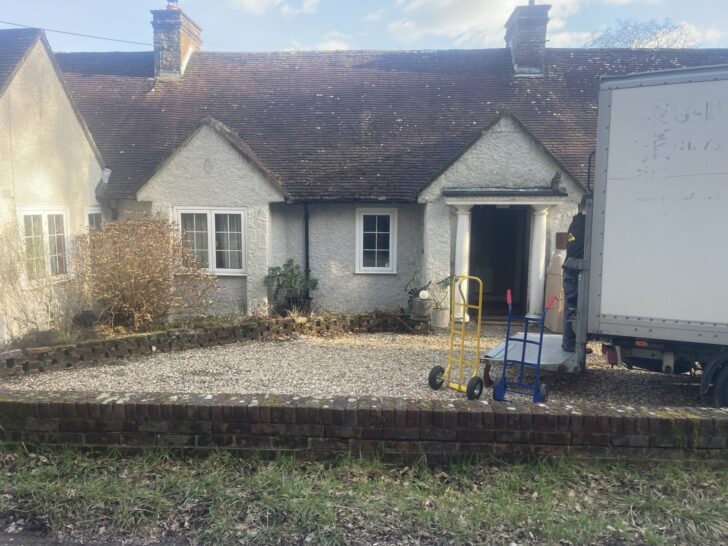
The historic village core is the second. The lanes around The Green, the pond and the upper High Street are narrow, and the cottages and listed buildings often have tight frontages, tiled hallways and staircases that turn sharply. For these properties, knowing the access and the internal layout in advance, ideally with photos, lets us plan the route for larger items and choose the right van and crew.
The cliff top is the third. The sea facing roads toward Saltdean are exposed, and wind management becomes part of the plan when carrying large flat items. We work in the shelter of the van where we can and time the most awkward pieces for calmer conditions.
Parking is more straightforward than in central Brighton, because most of Rottingdean sits outside the controlled parking zones. The pressure points are on-street space near the seafront and the village centre, particularly on busy days, rather than permits. Where a property genuinely needs the van held close on a restricted stretch, a bay suspension can be arranged with seven full working days' notice, at an administration fee of £38 (£19 for residents) plus £51 per bay per day for a removals suspension. Urgent applications inside the notice period carry a further £20. For completion day moves, we are experienced in managing key delays and will keep things moving while you wait for the call from your solicitor. If your move also involves a gap between properties, we can handle a period in storage through our Big Yellow partnership.
Local Pro Tip: Pedestrian Carries From the Seafront and Undercliff
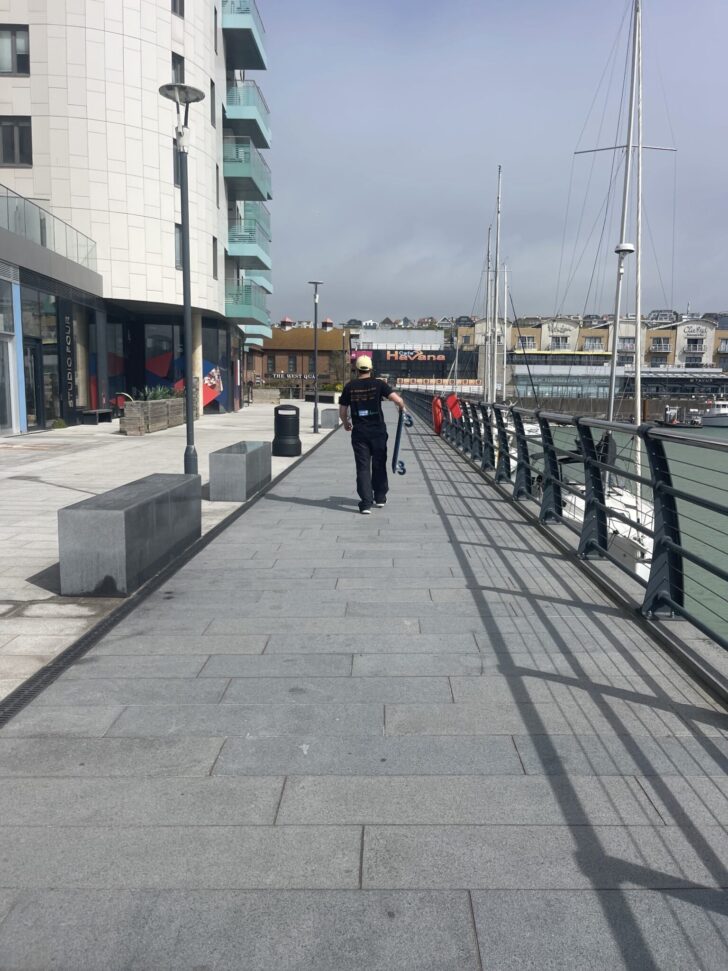
Some seafront and lower village properties are reached by short pedestrian stretches rather than direct vehicle access, and the Undercliff promenade itself is a walking route, not a road. For these moves we plan the carry distance from the nearest legal stopping point, bring the right trolleys and floor protection, and stage the load so the longer walked items are handled efficiently. Telling us in advance where the van can actually stop, and how far it is to the door, is the single most useful thing for a smooth day in these spots.
Moving Tips from Our Team
Plan around the coast road and beach traffic. The A259 and the village fill up in summer and at weekends. An early weekday start keeps the van close and the day calm.
Send a frontage photo before you book. Village core cottages, seafront flats and cliff top houses all behave very differently on moving day. A photo of the frontage and access tells us the van size, crew and approach we need.
Flag the historic core early. If your property is near The Green, the pond or the upper High Street, the narrow lanes and tight interiors need planning. Knowing stair widths and doorways in advance saves real time.
Mind the cliff top wind. On sea facing roads, large flat items are best carried with shelter and good timing. We plan for this when the address calls for it.
Consider professional packing for tricky access. Our packing service covers everything from fragile only wrapping to full house packs, and reduces risk on moves with tight cottage stairwells.
Tell us about anything that needs building or dismantling. Our furniture assembly team can handle beds, wardrobes and flat packs, but we need to know ahead of time to bring the right tools.
For smaller moves, consider our man and van service. A single room, a flat or a cottage move can often be cleaner and more cost effective on our hourly Man and Van option at £80 per hour for two men and a van.
What a Rottingdean Move Costs
Our man and van rate is £80 per hour for two men and a van, with a minimum booking of two hours, from £160. That covers loading, travel between the two addresses and unloading. There are no call out charges, no fuel surcharges and no hidden extras added on the day, and payment is by bank transfer on completion.
Full house removals are quoted per job rather than by the hour. The figure depends on the size of the inventory, the access at both ends, whether packing is included and how far the move goes. In Rottingdean the access variable matters more than in most places: a hillside house with a driveway and a conservation area cottage with a narrow lane and a turning staircase can hold similar contents and still take very different amounts of time.
Two costs sit outside our quote and are worth budgeting for separately. A parking bay suspension, where one is needed, carries a Brighton & Hove City Council administration fee of £38, reduced to £19 for residents, plus a daily charge of £51 per 5.5 metre bay for a removals suspension, with a further £20 if you apply inside the seven working day notice period. Storage, if you need a gap between completions, is charged by the unit size and duration through our Big Yellow partnership at Coombe Road.
Every job, whatever the size, carries £40,000 Goods in Transit per vehicle and £5 million Public Liability cover. Flag any single item valued at £500 or more when you enquire so we can plan the protection, the carry route and the cover properly.
Removals Services in Rottingdean
We cover Rottingdean removals across BN2 with a practical, fully insured service for moves of all sizes. Services include:
- Full house and flat removals
- Man and Van for smaller moves, single items and student relocations
- Packing support and protective wrapping
- Furniture dismantling and reassembly
- Completion day removals
- Local and long-distance relocations
- International relocations
- Office moves
- Storage solutions via our Big Yellow partnership
- Handyman and snag services for move-in fixes and flat pack builds
- General deliveries for single items, marketplace pickups and collections
- Motorcycle relocation for bikes needing careful, strapped transport
- Goods in Transit insurance to £40,000
- Public Liability insurance to £5 million
All quotes are provided by Peter directly. No call centres, no intermediaries, no hidden extras on the day. For a full picture of everywhere we cover across Brighton and Sussex, our areas page has the detail.
Our Experience Moving People to Rottingdean
Rottingdean has a character all its own among the places we move people into. It is not a permit headache like central Brighton, and it is not a lift and floor number puzzle like the apartment blocks at the Marina. What it has instead is a genuine spread of access types within a single small village, from tight conservation area cottages to exposed cliff top houses to easy hillside homes with driveways.
The coast road, the narrow historic lanes, the seafront pedestrian stretches and the cliff top wind all mean that local knowledge changes how the day runs. We have moved people into period cottages around The Green where the carry route decides everything, into sea view houses on the cliff top roads where timing and wind matter, and into the easier family homes up the hill where the day runs quickly and cleanly.
The village setting also tends to attract people who intend to stay, which means moves in are often larger, more considered family relocations with furniture that needs careful protection on tight access. That is exactly the kind of job we enjoy getting right, and our hundreds of five star Google reviews and our two Southern Enterprise Awards reflect that track record.
Why We Love Helping People Move to Rottingdean
There is something satisfying about moving a family into a place that is clearly going to become home rather than just an address. Rottingdean has that quality. The village is genuine, the sea is at the bottom of the street, the primary schools are good, and the community is real.
When we unload someone into a cottage near the pond or a house on the cliff top, and the sea is right there, and a neighbour mentions the next village event or points them toward the best café, that is the kind of move that leaves everyone feeling the right decision has been made. Rottingdean tends to produce that feeling.
Final Thoughts: Is Rottingdean a Good Place to Live?
Yes, and particularly for the right kind of household. Rottingdean suits people who want a genuine coastal village with history, character and the sea on the doorstep, who value community and walkability, and who are happy to trade a daily train commute for a short bus ride into Brighton. For families with primary aged children, the two good village schools, the beach, the windmill and the downland make it a strong and settled choice.
It is probably not the right move for someone who needs a railway station within walking distance, or who would be frustrated by the through traffic on the coast road, or who wants the density of culture and nightlife that the centre of Brighton provides on tap. Families should also look carefully at secondary options rather than assuming the primary picture continues. The sea is the headline, but the coast road is the daily reality, and both should be weighed honestly.
For the audience it suits, though, Rottingdean is a special place to live. The village gives it identity, the coast gives it quality of life, the primaries and the community give it staying power, and the city next door gives it access to something much bigger whenever it is wanted. If you are planning a move here, we would be glad to help you do it properly. Get a quote for your Rottingdean move or call Peter directly on 07552 555 820.
Rottingdean... A Summary
Average price: £703,736 overall over the last year (Rightmove sold prices); detached £908,263, terraced £595,167, flats £306,750; up around 14% on the previous year and about 5% above the 2022 peak of £669,690. Figures are approximate and vary with the mix of property sold.
Travel connections: No railway station; nearest mainline rail in Brighton, around four miles west; frequent Coaster bus services along the coast west to Brighton and east to Saltdean, Newhaven, Seaford and Eastbourne, plus route 23 to Brighton Marina and the Royal Sussex County Hospital and the N12 overnight; A259 coast road the main artery; central Brighton around fifteen to twenty minutes by car off peak; Gatwick roughly an hour north.
Popular areas: The conservation area core around The Green and the pond for period character; the cliff top sea view roads toward Saltdean for the largest homes; the rising residential streets north and west for family houses and easier access.
Nearby towns and villages: Saltdean (east), Ovingdean (west), Woodingdean (north), Brighton Marina and Kemptown (west toward the city).
Local schools: St Margaret's CofE Primary School (Good, 2025); Our Lady of Lourdes Catholic Primary School (Good, 2024); Longhill High School (nearest non selective secondary, Requires Improvement, 2024); Roedean School and Brighton College nearby in the independent sector.
Cafés and local favourites: High Street and seafront cafés and tea rooms; village pubs including Ye Olde Black Horse, The Plough, the Queen Victoria and the seafront White Horse.
Local highlights: The Grade II listed black windmill and Beacon Hill nature reserve; The Grange museum, gallery and gardens; Kipling Gardens; St Margaret's Church; the beach and the Undercliff Walk to Brighton Marina.
Community and village feel: The only parish council in Brighton and Hove, an adopted neighbourhood plan, a working independent high street, an active arts and events calendar, and a strong multi generational community.
Related Guides and Case Studies from ESV
For more on moving in and around Brighton and Sussex, these ESV guides and real move stories are a useful next read:
- How to avoid a stressful house move
- Our top 10 towns for Sussex removals
- A step by step guide for first time house buyers in Brighton
- What it is like to live in Portslade
- Moving to the University of Sussex: a student removals guide
- A guide to buying secondhand furniture in Brighton
- Lewes to Brighton: a self storage pack and move case study
- Peckham to Hove: a full pack family removal case study
- Hove to Loughborough: a long distance removals case study
- Kemptown to Salford: a man and van case study
Key Terms
Rottingdean BN2
Rottingdean falls within the BN2 postcode district, in the BN2 7 sector, covering the village core, the seafront, the cliff top roads toward Saltdean and the residential streets rising north. ESV covers all BN2 moves across the village and the wider eastern side of Brighton and Hove.
The Dean
The name Rottingdean derives from the Saxon for "Rota's people in the dean," a dean being a valley or fold in the chalk downs. The village sits in exactly such a gap in the cliffs, which is why it is sheltered, low lying at its core, and reached by descending roads from the higher ground around it.
Conservation Area
The historic heart of Rottingdean, around The Green, the pond and the High Street, is a designated conservation area that protects its flint cottages, listed buildings and village character. The designation shapes what can be altered and helps explain the premium and the tight historic footprints of properties in the core.
The Undercliff Walk
The Undercliff Walk is a flat seafront promenade running at the base of the chalk cliffs from Rottingdean west to Brighton Marina and east toward Saltdean. It is one of the best loved coastal walks in the city and a defining feature of village life, though some properties along it are reached on foot rather than by direct vehicle access.
Beacon Hill and the Windmill
Beacon Hill is the open rise to the west of the village, a local nature reserve crowned by Rottingdean's landmark black smock windmill, a Grade II listed structure built in 1802 that ground corn until 1881. It offers downland walks and panoramic views over the village and out to sea, and the windmill is the village's most recognisable symbol.
The Grange
The Grange is the village's cultural hub, housing a museum, art gallery and library with gardens and a tea garden. Its collections reflect Rottingdean's artistic and literary heritage, including its Kipling connections, and it sits at the heart of the conservation area.
Kipling Gardens
Kipling Gardens is a walled public garden occupying the former grounds of the house where Rudyard Kipling lived in the village. It is open to all and forms part of the green and historic core around The Green, a popular spot for walking and sitting.
A259 Coast Road
The A259 is the main road through Rottingdean, running west into Brighton and east toward Saltdean, Newhaven and Seaford. It is the village's principal connection and also its main congestion point, especially in summer, at weekends and during daily peaks, which is why it shapes how moves here are timed.
Coaster Bus Services
The Brighton and Hove Buses Coaster services form the backbone of Rottingdean's public transport, linking the village frequently with central Brighton to the west and with Saltdean, Peacehaven, Newhaven, Seaford and Eastbourne to the east, with route 23 also serving Brighton Marina and the Royal Sussex County Hospital and the N12 running overnight. With no railway station in the village, these services are central to daily life for non drivers.
Rottingdean Parish Council
Rottingdean is the only area within Brighton and Hove to have its own parish council, electing nine councillors on the same four year cycle as city council elections. Its neighbourhood plan was adopted in March 2024 and forms part of the statutory development plan, giving the village a formal voice on local planning and a distinct civic identity.
Frequently Asked Questions About Living in Rottingdean
How much does a Rottingdean removal cost?
Our man and van rate is £80 per hour for two men and a van, with a two hour minimum, from £160, and full house removals are quoted per job.
There are no call out charges and no hidden extras on the day. Budget separately for a parking bay suspension if you need one, at £38 administration (£19 for residents) plus £51 per bay per day, and for storage if there is a gap between completions.
How expensive is property in Rottingdean?
Rottingdean sits at the higher end of the Brighton and Hove market, with an overall average sold price of £703,736 over the last year.
Detached homes averaged £908,263, terraced £595,167 and flats £306,750, so the entry point is considerably lower than the headline figure suggests. Supply is tightly constrained by the sea, the cliffs, the downs and the conservation area, which keeps values firm even when the wider market softens.
How do you get from Rottingdean to Brighton?
Most people take the frequent Coaster buses along the coast road, or drive the A259 into central Brighton in around fifteen to twenty minutes off peak.
The bus corridor runs along the seafront into the city and is genuinely good, which is one of the things that makes village life here practical without a car. Route 23 also links the village to Brighton Marina and the Royal Sussex County Hospital. The coast road can be slow in summer and at weekends, so timing matters if you are driving.
What type of homes are common in Rottingdean?
Rottingdean is a house led village, with flint and listed cottages in the conservation area, Georgian and Edwardian houses, large detached sea view homes on the cliff top, and semis, detached houses and bungalows on the higher ground.
Flats and apartments exist but make up a smaller share of the market than in the city centre, because most buyers come to Rottingdean specifically for the village character and the coast. The mix means access varies a lot from one property to the next, which is why we plan each move around the specific address rather than a general village template.
How good are the schools in Rottingdean?
The two village primaries are both rated Good by Ofsted, while the nearest non selective secondary, Longhill High School, was rated Requires Improvement in March 2024.
St Margaret's Church of England Primary School and Our Lady of Lourdes Catholic Primary School are both in the village and both well regarded, which is a strong offer for a place this size. For secondary, families should research Longhill and the wider city options carefully; Roedean and Brighton College are also close by in the independent sector.
How much notice do I need for a parking bay suspension in Rottingdean?
Brighton & Hove City Council requires seven full working days' notice for a standard suspension, and most of Rottingdean does not need one at all.
The village sits largely outside the controlled parking zones, so the usual challenge is finding clear space near the door rather than dealing with permits. Where the van genuinely needs to be held on a busy seafront or village centre stretch, the fee is £38 administration (£19 for residents) plus £51 per 5.5 metre bay per day, with a further £20 for urgent applications inside the notice period.
What should I plan for access on a Rottingdean move?
The single most useful thing you can send us is photos of your frontage, your access and any internal stairwells, so we can plan the whole route before the day.
The main things to plan for are the A259 coast road traffic, the narrow lanes and tight interiors of the conservation area core, the exposed wind on the cliff top roads, and pedestrian access at some seafront properties. Homes reached along the Undercliff Walk or lower village stretches can sit away from direct vehicle access, so we confirm the closest legal stopping point and the safest staging spot in advance.
Do you use a Sprinter or a Luton van for a Rottingdean move?
We match the van to your property and inventory, and for larger village homes with driveways a Luton usually wins.
A Luton gives more capacity, which cuts repeat trips across the longer driveways and split level approaches common on the cliff top and higher residential streets. For a smaller flat, a single item or a tight conservation area lane where a large van cannot turn cleanly, the Mercedes Sprinter is often the smarter choice. Send a rough inventory or a few room photos plus your access details and we will confirm the setup.
What if I have a high value item like antiques or artwork?
If any single item is valued at £500 or more, tell us upfront so we can plan the right protection, handling and cover within our £40,000 Goods in Transit insurance.
Rottingdean has a strong artistic heritage and plenty of period homes, so paintings, mirrors, antique furniture and instruments are common in village moves. Knowing about them early lets us bring the correct materials and plan the carry through narrow cottage doorways and turns. A quick photo and rough dimensions are enough for us to prepare before the day.
Why work with ESV on your Rottingdean move?
Working with ESV means dealing directly with Peter from the first message to the final unload, with no call centres and no handoffs.
We have moved people into every kind of Rottingdean address, from period cottages around The Green to sea view houses on the cliff top and easier family homes up the hill, and every plan is built around the specifics of your property, your road and the village. Each move is fully insured with £40,000 Goods in Transit per vehicle and £5 million Public Liability, and the consistent theme in our hundreds of five star Google reviews is the direct contact and the calm, careful approach on the day. Call Peter on 07552 555 820 or book on the East Sussex Van website, and follow us on Instagram @esvremovals to see recent Sussex moves.
About The Author...
Peter Hawes is the director of ESV Removals Ltd, a family run Brighton and Sussex removals team known for calm planning, careful handling and clear prices. Peter first worked in removals in 2019, started running his own van in 2022 and incorporated ESV Removals Ltd in 2025. He holds a 2:1 BA (Hons) in English Literature and Digital Media from the University of Brighton. Peter oversees every job from first message to the last box and brings local know how for permit zones, tight stairwells and seafront buildings. ESV is fully insured with £40,000 Goods in Transit per vehicle and £5 million Public Liability, backed by hundreds of five star Google reviews and a double winner at the SME Southern Enterprise Awards 2025. The company's eco pledge covers a Euro 6, ULEZ compliant Luton, Esso Ethos+ renewable diesel where available, box reuse and paperless bookings. ESV is signed up to the Brighton & Hove Living Wage Campaign, led by Brighton Chamber, and pays every crew member at least the real Living Wage, because a valued team takes more care on every move. Learn more at www.eastsussexvan.com or follow real move days on Instagram.