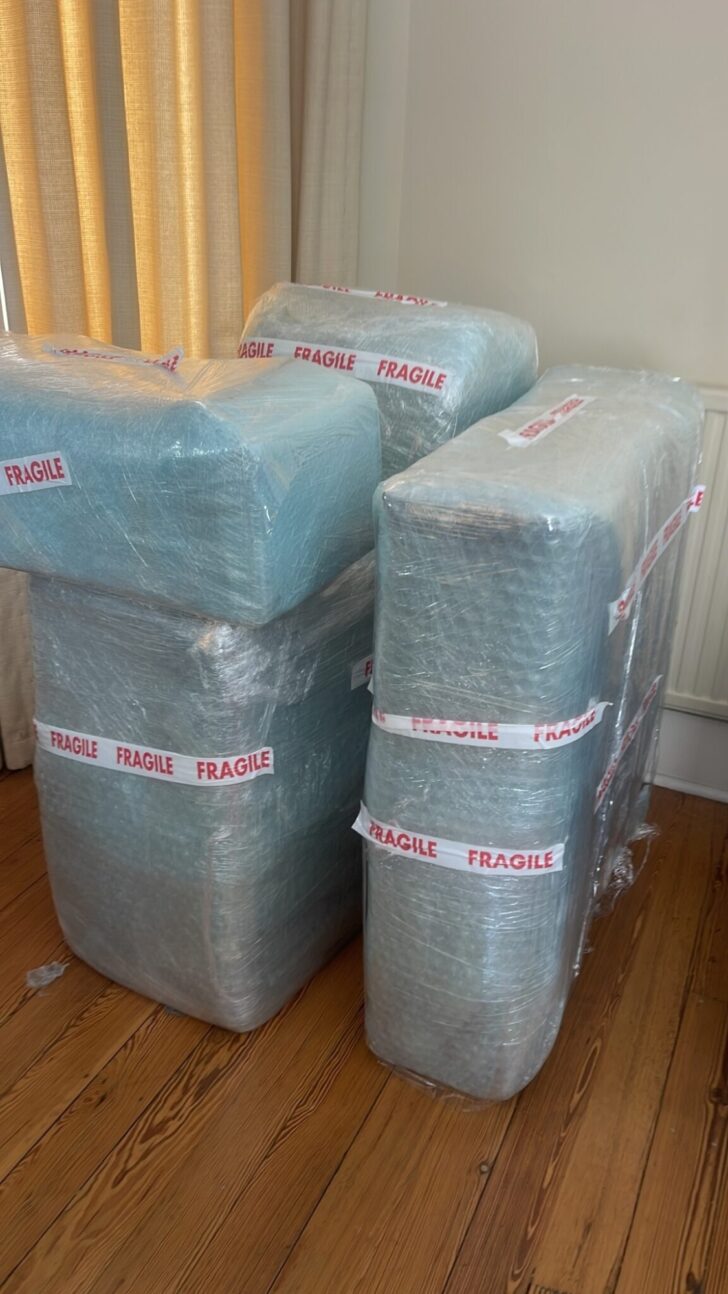
Some things in a move cannot simply be replaced: a grandmother's writing desk, an inherited oil painting, a set of antique glassware passed down through the family. These carry a value that is both financial and deeply personal. Ordinary handling is not enough for them. Moving antiques and heirlooms well is about preparation, the right materials, careful technique and proper insurance, all working together so that what arrives at your new home is exactly what left the old one. This guide explains how we protect fragile, high-value pieces, and what you can do to help, for moves across Brighton and Sussex.
At A Glance
Value and document before you move: Get genuinely valuable pieces appraised, photograph their condition in detail, and keep an inventory. This protects you if you ever need to make an insurance claim and ensures everyone treats the right pieces with the right level of care.
Declare high-value items so they are properly covered: Home contents cover often caps single items at a low figure, so high-value pieces need declaring. We ask that any individual item worth £500 or more is listed and signed off before we start, so your treasures are recorded from the outset.
Let a careful, insured team handle the rest: Professional packing, the right materials and careful technique are what keep fragile pieces safe. You deal directly with Peter throughout. Call 07552 555 820 or request a quote at www.eastsussexvan.com.
Why Antiques And Heirlooms Need Special Care
Fragile, high-value pieces present challenges that everyday furniture does not:
- They are often irreplaceable. Damage to an heirloom is not a matter of buying another; the loss is permanent, which raises the stakes on every lift and every wrapped corner.
- The materials are delicate or aged. Old wood, veneer, gilt, glass, ceramics and fabrics can be brittle, and joints or finishes weakened by age are far less forgiving than modern equivalents.
- The value can be significant. A single antique can be worth more than the rest of a room combined, which has real implications for how it is insured and handled.
- Standard insurance may not cover them properly. High-value items frequently fall outside ordinary cover limits unless they are specifically declared.
Getting all of this right is exactly what separates a careful move from a costly one.
Before The Move: Valuation, Documentation And Insurance
The work that protects your treasures starts well before moving day.
Get High-Value Pieces Valued
For genuinely valuable antiques, art or collectibles, a professional valuation establishes what a piece is actually worth. This matters because you cannot insure something properly if you do not know its value, and a current valuation is invaluable evidence if you ever need to claim. Keep certificates, receipts and provenance paperwork together and somewhere safe, not packed inside the move itself.
Document Condition With Photos And An Inventory
Before anything is packed, photograph each valuable piece in detail: wide shots of the whole item, and close-ups of signatures, maker's marks, and any existing chips, cracks or restoration. Build a simple inventory listing each piece. This thirty-minute job is the single best protection you can give yourself, because it records the exact condition of everything before it moves.
Declare Values And Check Insurance
This is where many people are caught out. What your home contents cover pays for items away from the home varies from policy to policy, and many cap individual valuables at a low figure.
Your policy may also cover items such as mobile phones, laptops and jewellery away from the home as standard or as an add-on.
Because of those limits, high-value pieces should be declared so they are properly recorded and covered. Our removals work is insured for £40,000 Goods in Transit per vehicle and £5 million Public Liability, backed by Admiral Platinum, and we ask that any individual item worth £500 or more is listed and signed off before we begin. For exceptional single pieces or whole collections, it is also worth speaking to your own insurer or a specialist broker about specified-item or declared-value cover. The British Insurance Brokers' Association can point you to independent advice.
Local Pro Tip: Photograph Existing Damage Honestly
When you document your antiques, resist the urge to photograph only the good angles. The most useful record is an honest one that clearly shows any pre-existing chips, hairline cracks, worn gilt or old repairs. It protects everyone, because it draws a clear line between damage that was already there and anything that might occur.
Date the photos, store them in more than one place, and share the inventory of your most precious pieces with us before the move. Knowing in advance which items are the irreplaceable ones lets us plan the packing, the lift and the loading order around them from the very start.
How We Protect Fragile, High-Value Pieces
Careful handling is a craft, not a hope. Here is how we approach it.
A Survey And A Plan For Each Piece
We start by understanding what we are moving. A survey lets us see the pieces, the access at both properties, the staircases and doorways, and plan the right crew size, materials and order of work. Irreplaceable items are identified and planned for individually, not lumped in with the general load.
The Right Packing Materials For Each Material
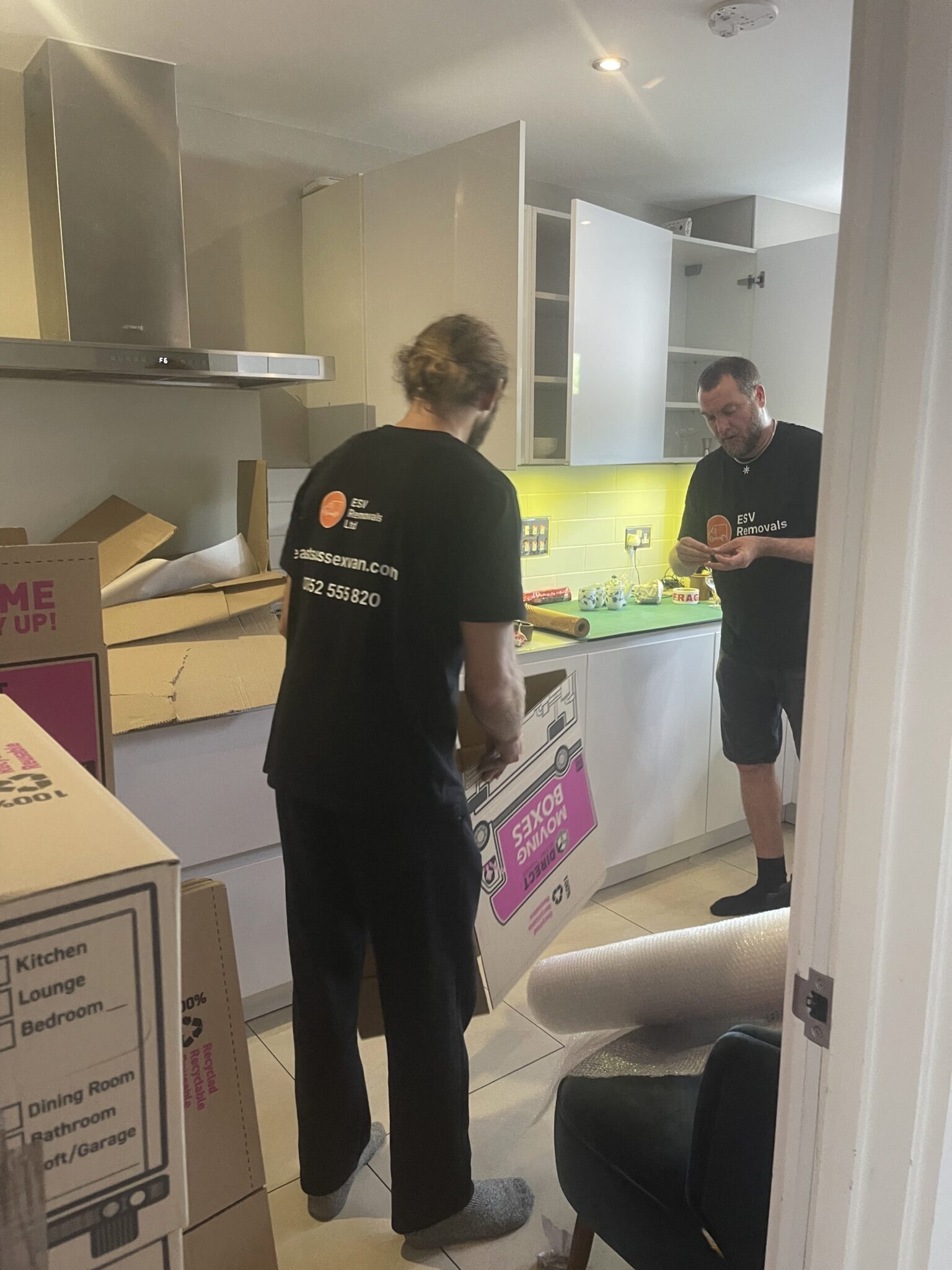
Different materials need different protection. We use professional packing with the right materials for the job: bubble wrap and soft padding for delicate surfaces, acid-free tissue for finishes that can mark, corner protectors, picture and mirror cartons for framed works, double-walled cartons for ceramics and glass, and removal blankets and pad-wrap for furniture. The principle is simple: multiple layers, no pressure points, and nothing loose enough to shift.
Careful Handling And Loading Techniques
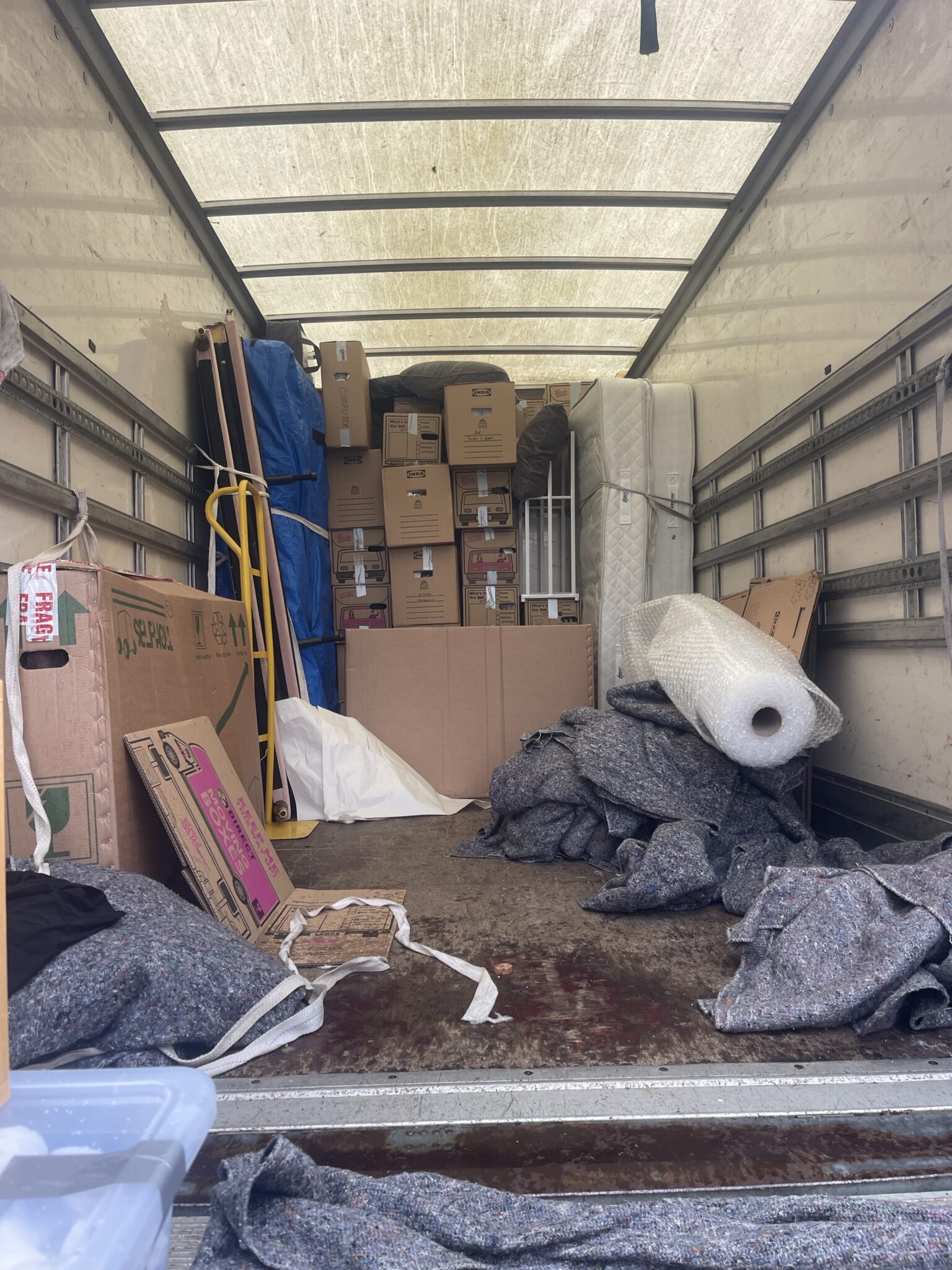
How a piece is lifted matters as much as how it is wrapped. We lift from a piece's strongest structural points, never by fragile arms, handles or decorative elements, and we use two or more people for anything heavy or awkward. Framed works and flat pieces travel upright rather than flat, and everything is positioned and secured in the van with blankets and straps so nothing moves in transit.
BAR Member companies must follow a Chartered Trading Standards Institute Code of Practice.
Secure Transport
In transit, the enemy is movement. Valuable and fragile pieces are loaded so they are stable, cushioned and held firmly in place, with heavier items secured low and delicate pieces protected from anything that could press or knock against them. We also avoid leaving sensitive antiques sitting in temperature extremes for longer than necessary.
Placement, Reassembly And Unpacking
At the new home, we place each piece exactly where you want it, reassemble any furniture we dismantled, and can unpack with the same care we packed. Your inventory means nothing is missed, and you can check off your treasured pieces as they arrive.
Local Pro Tip: Period Homes and Tight Brighton Access
Brighton and Hove is full of beautiful period properties, and with them come narrow Victorian staircases, tight landings, Hanover's steep streets and Kemptown's basement and upper-floor conversions. These are exactly the spots where a heavy mirror or a tall antique cabinet needs a planned route, not an improvised one.
We survey access at both ends precisely because a careful plan for a difficult staircase is what prevents a rushed, risky lift on the day. If a piece genuinely will not go up a staircase, we identify that in advance and plan an alternative rather than discovering the problem with your heirloom halfway up the stairs.
Protecting Specific Types Of Treasure
Different pieces call for slightly different care:
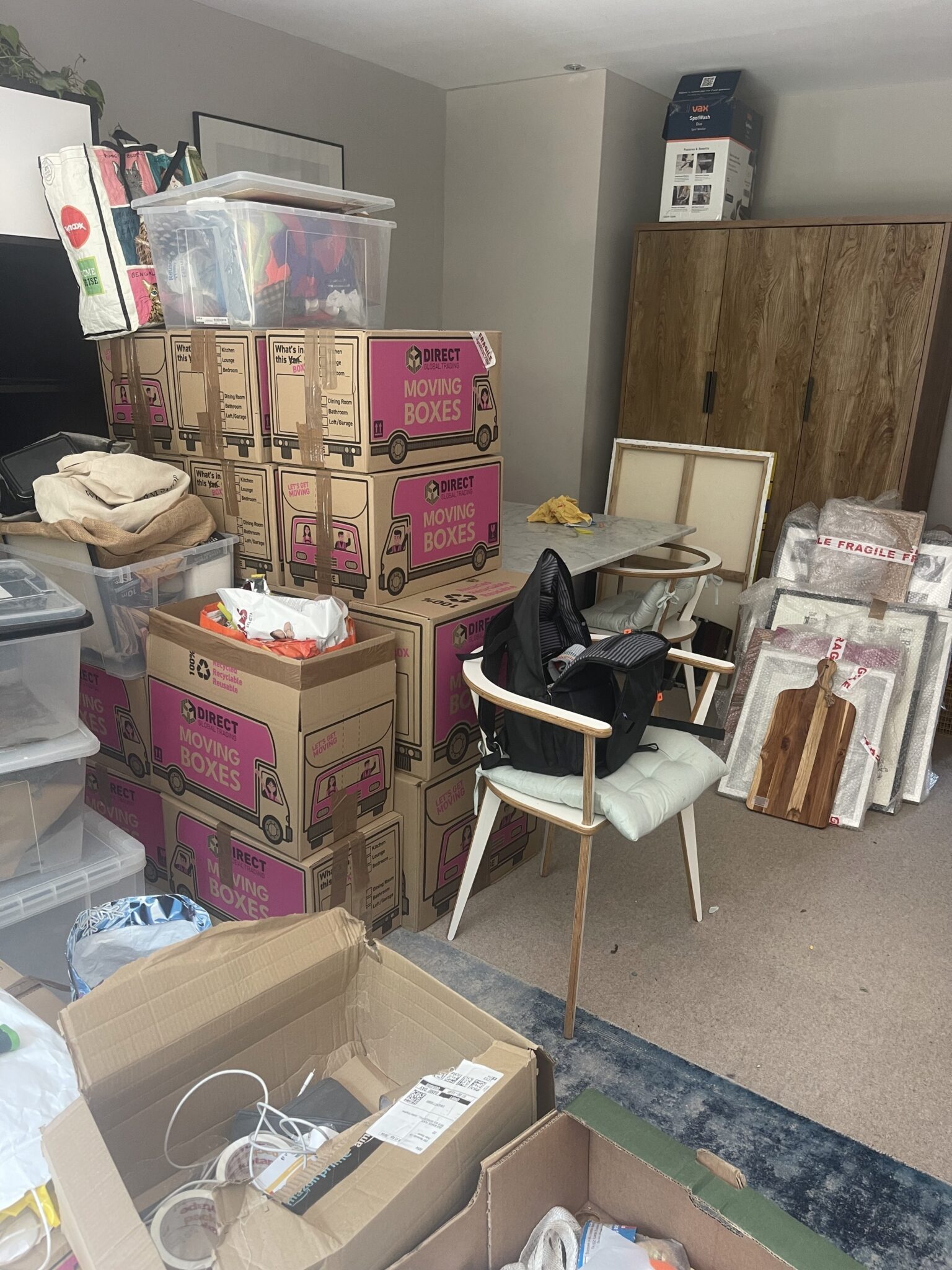
- Paintings, mirrors and framed art: wrapped, corner-protected and boxed in picture or mirror cartons, and always transported upright.
- Ceramics, glass and china: individually wrapped, cushioned, and packed snugly in sturdy cartons so nothing touches or shifts, with plenty of padding between pieces.
- Clocks: pendulums and weights secured or removed where appropriate, and the movement protected; longcase (grandfather) clocks dismantled sensibly for transport.
- Antique furniture and veneer: blanket-wrapped, with delicate surfaces protected, drawers and doors secured, and the piece lifted from its frame rather than its extremities.
- Chandeliers and light fittings: carefully dismantled where needed, with delicate arms and drops wrapped individually.
- Jewellery and small valuables: best kept with you personally rather than packed, alongside documents and certificates.
- Books and works on paper: packed flat or spine-down in manageable boxes, kept dry and away from pressure.
Climate, Condition And Storage Considerations
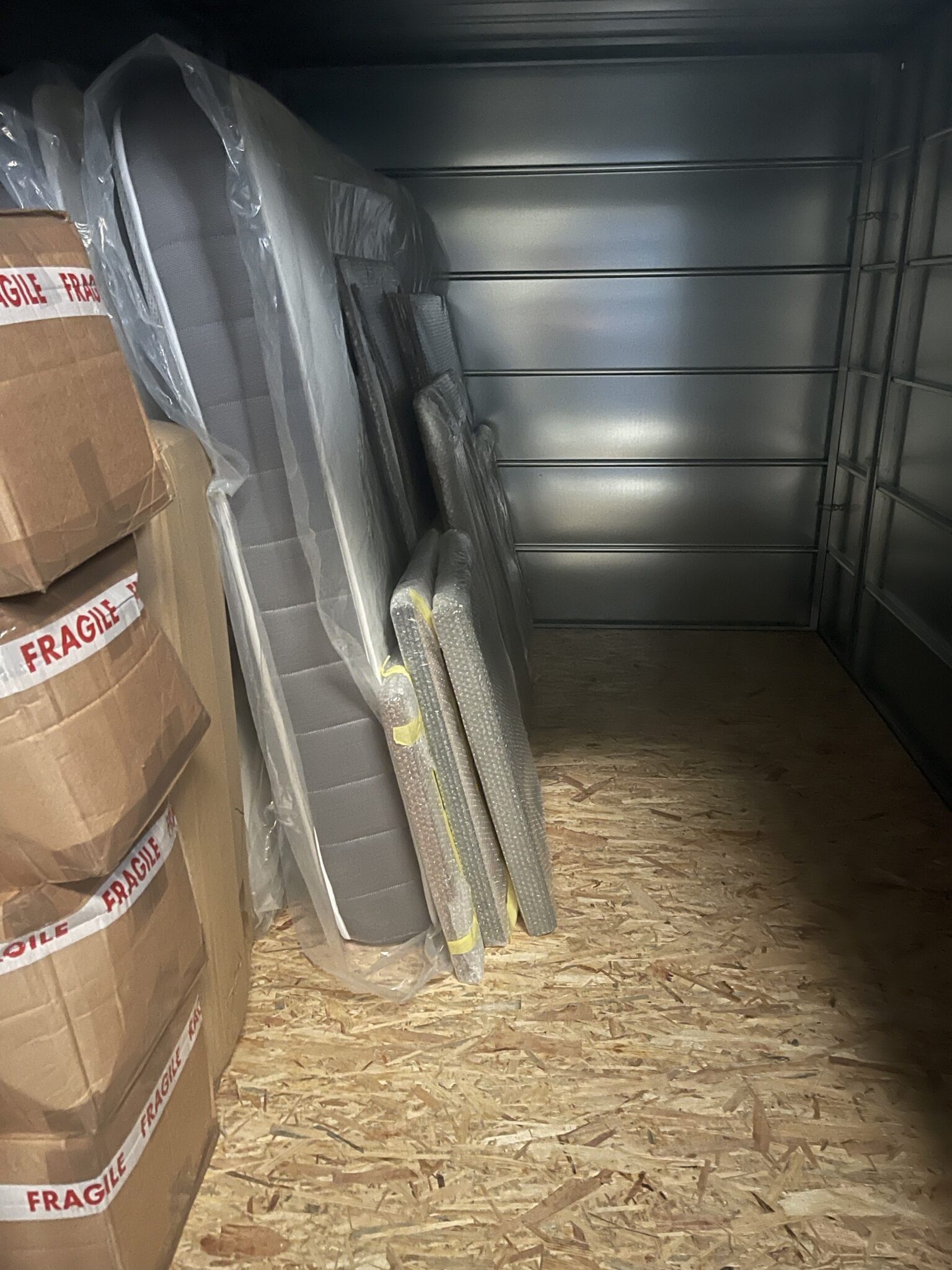
Antiques react to their environment. Wood and veneer can move with swings in temperature and humidity, and rapid changes are best avoided. If your move involves a gap, a chain delay or a property that is not quite ready, secure storage in a clean, dry unit is far safer than improvising. When we store valuable or fragile pieces, we wrap and position them carefully, keep them off the floor where sensible, and make sure heavier items are never resting on delicate ones. For long-term storage of genuinely sensitive pieces, ask about the driest, most stable space available.
For Dealers, Collectors And Estates
It is not only households that move treasures. Antique dealers, collectors, galleries and those handling a downsizing, probate or house clearance all need the same careful approach, often with added pressure around timing, inventories and value. We can plan collection and delivery around your schedule, handle pieces with the documentation and care they deserve, and provide secure storage between a sale, a fair or a clearance. The same principles apply whether it is a single inherited heirloom or a collection being redistributed: careful handling, clear records and proper insurance.
Why Choosing The Right Team Matters
When you are trusting someone with irreplaceable pieces, who handles them matters enormously. Look for a calm, careful and properly insured team, ask to see their Goods in Transit and Public Liability cover and any declared-value limits, and choose a firm that surveys properly rather than turning up blind. With ESV, you deal directly with Peter from the first conversation to the final piece in place, backed by careful handling, full insurance and hundreds of five star reviews. That direct line and that care are exactly what fragile, high-value moves need.
Ready To Move Your Antiques And Heirlooms Safely In Brighton Or Sussex
If you have antiques, heirlooms or fragile, high-value pieces to move, we are happy to help you do it properly. We will survey your pieces and your access, plan the packing and handling around your most precious items, and keep everything fully recorded and insured.
To get started, request a quote for careful house removals and let us know which pieces need special attention. Call 07552 555 820 or get a quote via www.eastsussexvan.com, and to see how we handle real local moves, follow us on Instagram. We also follow our eco pledge, reusing and recycling packing materials and running paperless quotes and bookings.
Key Terms For Moving Antiques & Heirlooms
Provenance
The documented history and ownership of an antique or artwork. Keeping provenance paperwork together supports both valuation and any future insurance claim.
Professional Valuation
An expert assessment of a piece's current market value, used to insure it correctly and to evidence its worth if you ever need to claim.
Condition Report
A record, ideally with photographs, of a piece's exact state before the move, including any existing damage. It draws a clear line between old and new marks.
Declared Value
The value you formally record for a high-value item before a move, so it is insured for the right amount rather than a low standard per-item limit.
Goods in Transit Insurance
Cover for your belongings while they are loaded, transported and unloaded, up to the policy limit. We carry £40,000 Goods in Transit cover per vehicle as standard.
Specified-Item Cover
Insurance that lists particularly valuable pieces individually, with agreed valuations, rather than relying on a general per-item limit.
Acid-Free Tissue
A packing material that will not react with or mark delicate surfaces and finishes, used for protecting antiques and artworks.
Pad-Wrap
Removal blankets wrapped and secured around furniture to cushion it against knocks and pressure during handling and transport.
Picture Or Mirror Carton
A specialist box designed to hold framed art and mirrors securely and upright, the correct way to transport flat works.
Single-Item Limit
The maximum a standard insurance policy will pay for any one item, often low, which is why high-value pieces need declaring separately.
Frequently Asked Questions: Moving Antiques & Heirlooms
Which Brighton and Sussex postcodes do you cover for moving antiques and heirlooms?
We move antiques and heirlooms across the BN1 to BN3 core of Brighton and Hove, plus wider BN, RH and TN postcodes throughout Sussex.
That core takes in Kemptown, Hanover, Seven Dials, Hove and the seafront, where many of the period homes in this guide sit. Beyond the city we regularly cover towns such as Lewes, Haywards Heath and Uckfield, and we take on longer distance moves when a valuable piece needs careful, insured handling all the way.
Give us both postcodes when you enquire, because the route, the travel time and the access at each end all shape how we plan the crew and the day.
How do you plan access for antiques in a Brighton period home?
We plan access by asking for a photo of your frontage and agreeing the closest legal stopping point at both properties before moving day.
A frontage photo shows us the front door, any steps and the width of the pavement, while the stopping point tells us how far a heavy mirror or tall antique cabinet has to be carried by hand. On Hanover’s steep streets or a busy Kemptown terrace, that distance changes the crew size and the route we plan.
If you live on a Brighton and Hove permit street, a bay suspension can keep the van close to your door, and the council typically needs about seven working days’ notice. Tell us early and we will factor it in.
What happens if an antique will not fit up a narrow Victorian staircase?
We spot that at survey and plan another way in, so there is no improvising with an heirloom on the stairs.
Brighton and Hove’s period homes bring narrow Victorian staircases, tight landings and Kemptown basement and upper floor conversions, exactly the spots where a large gilt mirror or a longcase clock needs a planned route. We check turns, landings and doorways against each piece at survey, so the crew size and lifting plan are fixed in advance.
If you live in a converted flat with shared hallways or building rules set by a managing agent, tell us when you enquire so we can work within them.
Do you use a Sprinter or a Luton van for moving antiques and fragile pieces?
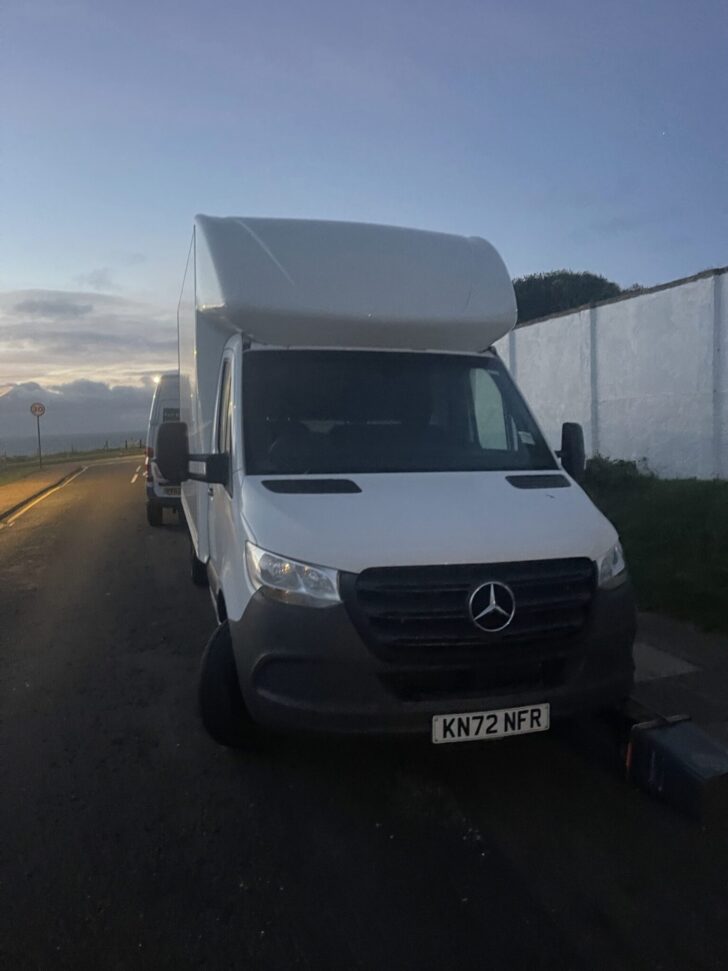
We match the van to the pieces, using our Mercedes Sprinter for smaller or delicate loads and the Luton van when tall furniture and framed works need more secured space.
For a handful of high value items, the Sprinter often gives us tidy, controlled space where everything can be blanket wrapped and strapped so nothing shifts. For larger antique furniture, longcase clocks or several framed works travelling upright, the Luton’s height and capacity let us load properly, with heavier items low and delicate pieces protected.
The right van is the one where every piece can be strapped and cushioned without being crowded, so we confirm it once we know your inventory and access.
When should we book the survey for an antiques move?
Book the survey as early as you can, because planning an antiques move well starts long before moving day.
An early survey lets us see the pieces and the access at both properties, then settle the right crew, packing materials and loading order.
If your move involves a chain, give us your likely dates as soon as they firm up, even while they are still provisional.
How should I document my heirlooms before the move?
Photograph each valuable piece in detail before anything is packed, with wide shots of the whole item and close ups of marks, signatures and any existing chips, cracks or repairs.
Build a simple inventory of your treasured pieces, and be honest about pre existing damage, because a clear record draws a line between marks that were already there and anything that might occur. Date the photos, keep copies in more than one place, and store certificates and provenance paperwork with you rather than packed inside the move.
Small valuables like jewellery, watches, coins and documents are best kept on your person too. Share the inventory with us before moving day so you can check each piece off as it arrives.
Can you move paintings, mirrors and framed art?
Yes, framed works and mirrors are wrapped, corner protected and boxed in picture or mirror cartons, and always transported upright rather than flat.
Upright is how flat works are designed to travel safely, so they are cushioned, held firmly and kept clear of anything that could press or knock against them in transit. Larger canvases and heavy gilt frames are handled by two or more people and lifted from their strongest points.
Tell us about any especially large pieces in advance so we bring cartons in the right sizes.
Can you move antique furniture with delicate veneer or joints?
Yes, antique furniture is blanket wrapped and pad wrapped, with delicate surfaces protected, drawers and doors secured, and the piece lifted from its solid frame rather than fragile arms or handles.
Old wood, veneer, gilt and aged joints are far less forgiving than modern equivalents, so we never lift by decorative elements and never let anything rest under pressure. Where sensible, we dismantle a piece to move it safely through tight access, then reassemble it exactly where you want it at the other end.
The principle throughout is multiple layers, no pressure points and nothing loose enough to shift.
Are my antiques covered by your insurance, and do I need to declare valuable pieces?
Our removals work is insured for £40,000 Goods in Transit per vehicle and £5 million Public Liability, backed by Admiral Platinum, and any individual piece worth £500 or more should be declared before we start so it is listed, signed off and properly recorded.
Tell us about those pieces upfront and we add them to a signed list before packing begins. The list sits alongside your own photos and inventory, so each piece matches the documented condition it left your home in, and it tells us which items need individual wrapping, a dedicated lift and a protected spot in the van.
Where many people get caught out is their own home contents policy, which may limit cover for items away from the home and cap any single valuable well below an antique’s real worth. For exceptional pieces or whole collections, speak to your own insurer or a specialist broker about specified item or declared value cover alongside ours, and we are happy to share our cover details before you book.
Can you store antiques safely if there is a gap between moving out and moving in?
Yes, if your dates do not line up, we can move your antiques into secure, clean, dry storage and redeliver them when your new home is ready.
Wood and veneer react to swings in temperature and humidity, so a dry, stable unit is far safer than improvising in a garage or a borrowed room during a chain delay. We wrap and position each piece carefully, keep items off the floor where sensible and never rest heavier furniture on delicate pieces.
For long term storage of genuinely sensitive antiques, ask us about the driest, most stable space available. Dealers, collectors and estates can also use storage between a sale, a fair or a house clearance.
What do you need from me to quote quickly for an antiques move?
To quote quickly, we need both postcodes, a rough inventory with photos, the floors involved, the parking situation at each end and a list of any items worth £500 or more.
Photos of your larger antiques, framed works and anything awkward help us judge packing materials, carton types and crew size. A note on any tight turns or narrow landings tells us how each piece will travel, and a frontage photo lets us confirm where the van can legally stop.
Flag your irreplaceable pieces clearly, even if they are not especially valuable, because sentimental value matters to us as much as price does.
Why choose ESV to move your antiques and heirlooms in Brighton?
With ESV you deal directly with Peter from the first conversation to the final piece in place, backed by calm planning, careful handling and full insurance.
There is no sales team between you and the crew, so the details about your grandmother’s writing desk or your antique glassware reach the people actually lifting them. Whether it is a single inherited heirloom or a collection being redistributed, we bring the same careful, recorded approach, and hundreds of five star Google reviews reflect that.
Call Peter on 07552 555 820 or request a quote at www.eastsussexvan.com, and let us know which pieces need special attention. To see real local moves, follow us on Instagram @esvremovals.
About The Author...
Peter Hawes is the director of ESV Removals Ltd, a family run Brighton and Sussex removals team known for calm planning, careful handling and clear prices. Peter first worked in removals in 2019, started running his own van in 2022 and incorporated ESV Removals Ltd in 2025. He holds a 2:1 BA (Hons) in English Literature and Digital Media from the University of Brighton. Peter oversees every job from first message to the last box and brings local know how for permit zones, tight stairwells and seafront buildings. ESV is fully insured with £40,000 Goods in Transit per vehicle and £5 million Public Liability, backed by hundreds of five star Google reviews and was a double winner at the SME Southern Enterprise Awards 2025. The company's eco pledge covers a Euro 6, ULEZ compliant Luton, Esso Ethos+ renewable diesel where available, box reuse and paperless bookings. ESV is signed up to the Brighton & Hove Living Wage Campaign, led by Brighton Chamber, and pays every crew member at least the real Living Wage, because a valued team takes more care on every move. Learn more at www.eastsussexvan.com or follow real move days on Instagram.